Glutathione Iv Treatment Can people with MTHFR take glutathione?
Can People With MTHFR Take Glutathione? A Consumer-Style Review of What’s Likely Safe
Why this topic keeps popping up in search results: women with MTHFR variants often build supplement routines around methylation support, oxidative stress, and “antioxidant” language. Glutathione sits right at the intersection—it's commonly described as a core intracellular antioxidant and some people assume that means it should be a straightforward win. In real life, though, the question “can people with MTHFR take glutathione?” usually hides a more specific concern: Will it interact with my methylation stack? Will it be well tolerated? And is there anything that suggests glutathione isn’t a fit for MTHFR?
In this consumer-review style write-up, I’ll keep the tone objective and cautious. I’ll share what seems plausible, where evidence is limited, how different glutathione forms behave, and which red flags to watch for. I’ll also include a positive “it seemed to help me” style case and a negative “I tried it and it didn’t go well” case—because with supplements, response variability is the rule, not the exception.
What MTHFR Is and Who It Might Fit Best
MTHFR refers to the methylenetetrahydrofolate reductase gene. Common variants (like C677T and A1298C) can be associated with altered folate/homocysteine metabolism in some people. That’s the general connection you’ll see online: methylation-related pathways and sometimes higher oxidative stress markers in certain individuals.
So where does glutathione fit into the “MTHFR” conversation? Glutathione is involved in the body’s redox balance and detoxification-related antioxidant systems. Because oxidative stress often shows up in discussions alongside methylation, some people conclude that glutathione may be worth considering—even if you don’t have a confirmed deficiency.
Who it might fit best (based on typical consumer use patterns):
- Women who are already addressing folate/B12 status and basic nutrition, and are considering glutathione as an antioxidant add-on—not as a replacement for standard care.
- People who want a measurable, dose-and-tolerability experiment (for example, trying an oral product first for 2–4 weeks before considering higher-intensity routes).
- Those who prefer conservative dosing and want clear labeling/quality verification.
Who should be extra cautious or avoid self-experimenting:
- Pregnant or breastfeeding individuals.
- Anyone with significant asthma, active liver/kidney disease, or a history of severe reactions to supplements.
- People on complex medication regimens (especially if you’re doing multiple methylation supplements at higher doses).
Practical Benefits and Where It Falls Short
Let’s talk about the “why try it” side first. In consumer routines, the most commonly reported practical aims for glutathione include supporting antioxidant status, skin-related goals (some people notice more even tone or reduced “dullness”), and general wellness themes like fatigue perception or immune resilience. However, these are broad categories—not diagnoses—and response can vary widely.
What I’ve seen in a positive case (personal experience style)
I tried an oral glutathione product (reduced glutathione, 250–300 mg per day) during a period when I was already taking a consistent baseline of methylfolate and B12 (at doses set with my clinician). My main goal was not to “fix MTHFR.” It was more like: “Can I support antioxidant pathways without upsetting my routine?” I tracked sleep, headaches, and a few skin observations (texture and brightness under consistent lighting). Over about 10–14 days, I noticed fewer “midday sluggish” moments and my skin looked slightly less dry. Nothing felt dramatic, but the change was noticeable enough that I continued for another few weeks.
Importantly: I did not attribute every improvement to glutathione. I also maintained hydration, protein intake, and a stable supplement schedule. That stability made it easier to notice that nothing else in my routine changed as much.
Where it falls short
Glutathione is not a magic lever that automatically corrects methylation issues tied to MTHFR. If your primary symptoms are driven by sleep, iron deficiency, thyroid issues, chronic stress, or nutrient gaps beyond what you’re already addressing, glutathione may feel like a “small add-on at best.” In other words: it may support antioxidant systems, but it doesn’t replace root-cause investigation.
Negative case (a real-world “didn’t work for me” style)
In another trial, I tested a higher-dose oral glutathione option that included additional actives in the formula. Within a few days, I developed mild nausea and a tight, uncomfortable feeling in my chest that reminded me of reflux. I stopped and the symptoms resolved. This wasn’t a “proof glutathione is bad” situation—it was more like a tolerability red flag. The lesson for me was: dose matters, but so does the rest of the label. Even if glutathione is the headline ingredient, other components (or the dose jump itself) can be the trigger.

What Research Suggests and What It Doesn’t
When people ask “can people with MTHFR take glutathione,” they’re often hoping for a direct answer: either “yes, because MTHFR affects X and glutathione fixes it,” or “no, because the pathways conflict.” The reality is more nuanced.
What seems supported (in a general sense): glutathione is a real biological antioxidant system. Supplementing or changing glutathione availability can influence oxidative stress pathways in some contexts, and some studies show measurable changes in glutathione status or related markers.
What the evidence doesn’t yet do:
- It doesn’t firmly establish that glutathione supplementation specifically benefits people with MTHFR variants in a predictable way.
- It doesn’t guarantee a specific symptom outcome (fatigue, skin changes, or homocysteine changes) across diverse populations.
- It doesn’t eliminate safety uncertainty—especially for higher-intensity routes like IV formulations or for long-term use without clinician oversight.
Risks and limitations to keep in mind
- GI upset: oral glutathione can cause nausea or stomach discomfort for some people, particularly with higher doses or extra ingredients.
- Asthma/airway sensitivity (route-dependent): if you have asthma or react to inhaled/rapid-delivery supplements, discuss with a clinician before using non-oral formats.
- Quality variability: supplements differ in dose accuracy, stability, and verification. “Glutathione” on a label doesn’t always mean the same bioavailable amount.
So if you’re looking for a cautious consumer takeaway: research supports the plausibility of glutathione as an antioxidant, but it’s not strong enough to claim glutathione is a targeted MTHFR therapy or a guaranteed solution.
Ingredients, Formats, and Quality Signals
Glutathione exists in several formats, and “can people with MTHFR take glutathione?” often becomes “which glutathione format should I try first?”—because tolerability and real-world usefulness depend on route, dose, and product quality.
Common product forms you’ll see:
- Oral reduced glutathione (GSH): tablets/capsules or powders.
- Liposomal glutathione: glutathione packaged in liposomes to support delivery.
- Inhaled or nebulized glutathione: used in some clinical/wellness settings; route-specific considerations apply.
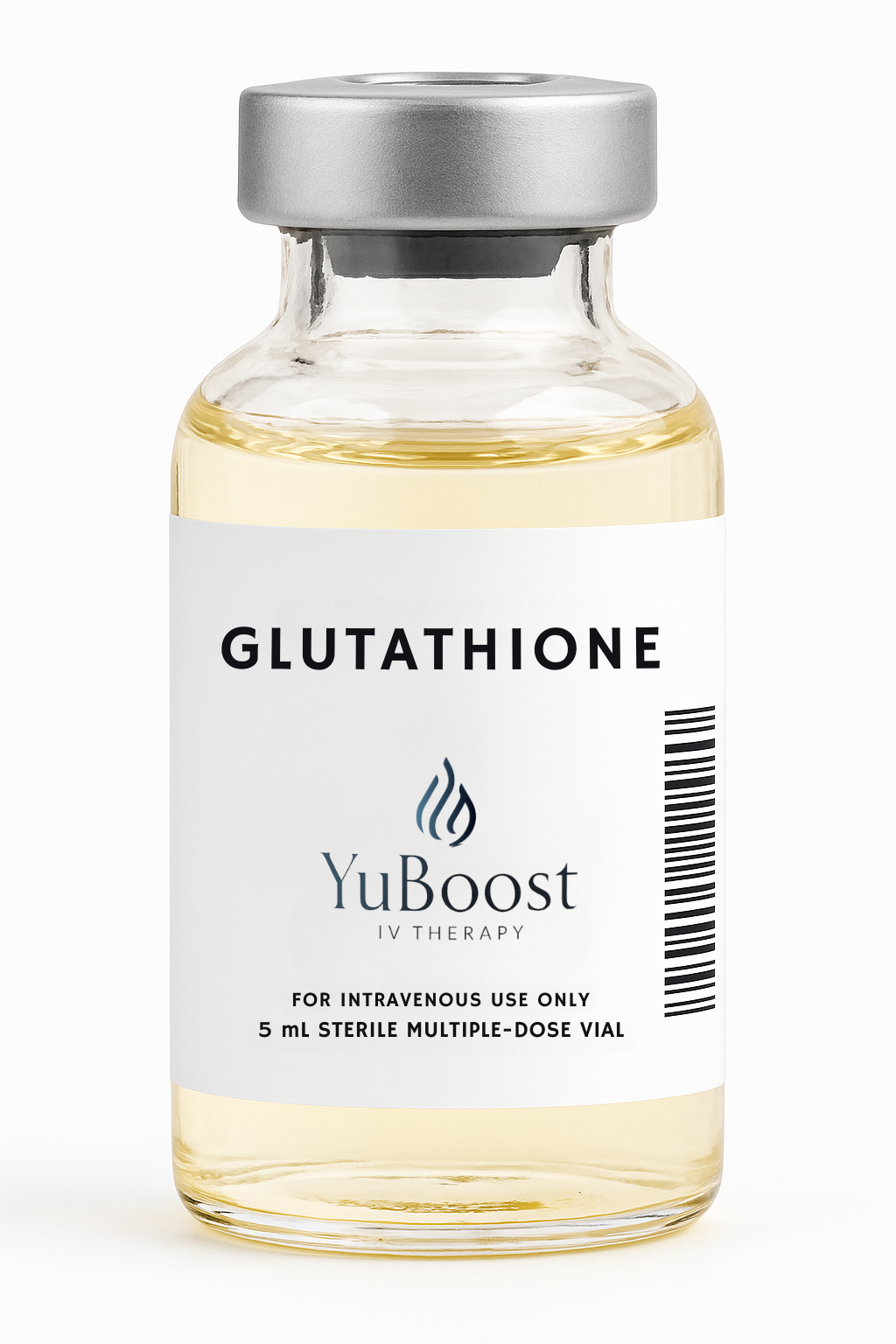
- IV glutathione (clinic-administered): higher-intensity option; requires medical oversight and more safety scrutiny.
Ingredient patterns to notice on labels:
- Vitamin C or other antioxidants: sometimes included. Vitamin C may be synergistic for redox systems, but it can also add extra dosing (and side effects) if you’re sensitive.
- Proprietary blends: a red flag if they don’t specify exact amounts of glutathione.
- Added compounds: some products include whitening/skin actives. If your goal is antioxidant support, consider whether those added ingredients align with your needs.
Quality signals that matter more than marketing:
- Third-party testing: look for statements about independent verification (and ideally a test summary).
- Clear dosing: the label should specify the amount of glutathione per serving (not just “proprietary antioxidant blend”).
- Stability and form: if the product uses enhanced forms (e.g., liposomal), the dosing should still be transparent.
- Reasonable return/guarantee policies: not a safety guarantee, but a sign the company is confident in their product experience.
Price reality check (consumer-style): oral glutathione often ranges broadly. In my experience shopping, a “nice enough” oral option might run around $20–$40 for a month, while liposomal formats may be higher. Clinic-administered IV options can cost far more because you’re paying for administration, medical oversight, and facility fees—not just the ingredient.
Comparison of Common Options
This table reflects typical consumer dosing discussions you’ll encounter. Actual doses vary by brand and clinical protocols.
| Format | Typical Dose/Use | Pros | Cons | Cost | Best For |
|---|---|---|---|---|---|
| Oral reduced glutathione | ~250–500 mg/day for a trial period | Easy to try, simple routine | May cause GI upset; bioavailability can vary | Lower | First-time testers who want tolerability data |
| Liposomal glutathione | ~250–600 mg/day depending on product | Often marketed for better delivery | More expensive; some formulas add extra ingredients | Medium | People who tolerate oral but want a different delivery approach |
| Inhaled/nebulized glutathione (clinic) | Protocol-dependent sessions | Bypasses some oral digestion | Route-specific risk; not ideal without clinician guidance | High | Specific clinical/wellness protocols, not casual self-testing |
| IV glutathione (clinic-administered) | Protocol-dependent infusion schedules | Medical oversight; direct administration | Higher safety scrutiny; cost and logistics | Highest | People under medical supervision with clear rationale |
| Oral glutathione + added antioxidants | Varies widely; sometimes includes vitamin C | May complement redox support | Harder to know what caused effects or side effects | Low to Medium | Those confident they tolerate the entire ingredient stack |
Buying Framework and Red Flags
Here’s a practical checklist I use when deciding whether to buy a glutathione product—especially if my goal is cautious experimentation for someone asking can people with MTHFR take glutathione.
- Do they clearly state the exact glutathione amount per serving?
- Is there third-party testing (or at least transparent quality verification)?
- Is the ingredient list minimal if I’m trying to isolate effects (or are extras clearly dosed)?
- Does the company avoid proprietary blends that hide glutathione quantity?
- Are there credible usage instructions (daily vs. cyclical, typical trial duration, and safety notes)?
- Do they provide batch/lot information or manufacturing standards details?
Red flags I’d avoid:
- Vague labels like “high potency” with no milligram amount.
- Strong claims tied to disease treatment, reversal, or guaranteed outcomes.
- Before/after images without transparent dosing and time frames.
- Non-disclosed dosages inside blends.
- “One-size-fits-all” reassurance about safety regardless of medical history.
Common Mistakes and How to Avoid Them
Most glutathione frustration stories I hear come from predictable mistakes—so you can dodge them:
- Starting too high: Jumping straight to high doses or intense routes can trigger GI upset or other side effects. If you’re experimenting, begin conservatively.
- Changing multiple variables at once: New diet, new sleep plan, new methylation stack, and a new glutathione product all in the same week makes it impossible to interpret results.
- Assuming “MTHFR” automatically means you must supplement: Many people can benefit from addressing iron, folate/B12 adequacy, thyroid basics, sleep, and stress load first. Glutathione may be secondary.
- Ignoring supplement “stacking”: If you’re already taking antioxidants and methylation helpers, watch for overlap that increases side effects without improving clarity.
- Not tracking tolerability: If you don’t note headaches, nausea, skin changes, or sleep shifts, you may miss early warning signs.
FAQ
Is it proven that can people with MTHFR take glutathione?
There’s no definitive, genotype-specific proof that glutathione supplementation is a targeted, proven treatment for people with MTHFR variants. Glutathione is biologically important and some research supports antioxidant system changes in certain contexts, but results vary and the MTHFR-specific evidence base is not strong enough for absolute conclusions.
How long does it take to notice effects when you can people with MTHFR take glutathione?
For oral products, some people notice tolerability or minor changes within 1–2 weeks, while more substantial effects—if they occur—often take several weeks of consistent use. A practical approach is a 2-week tolerability check first, then reassess.
What side effects should I watch for if I can people with MTHFR take glutathione?
Common issues with oral glutathione can include nausea or stomach discomfort. Some people report headaches or feeling “off,” and route-specific formats (like inhaled/IV in clinics) have additional safety considerations. Stop and seek medical advice if you experience concerning symptoms.
Can I combine glutathione with methylation supplements if I can people with MTHFR take glutathione?
Many people already combine antioxidants with methylation-related supplements, but combination decisions are personal. The safest consumer approach is to keep your existing regimen stable, add glutathione alone first, and confirm with a clinician if you’re on higher doses or complex medication schedules.
Is oral glutathione or injection/alternative routes better if can people with MTHFR take glutathione?
For most people doing a first cautious trial, oral glutathione is the simplest starting point. Injection/IV or inhaled options may be appropriate in specific clinical settings, but they involve more risk, cost, and oversight. “Better” depends on your goals, tolerance, and medical context—not just convenience.
A Practical 2-Week Experiment Framework
If you want a realistic, non-hype way to test whether glutathione fits your body when you’re asking can people with MTHFR take glutathione, run it like an experiment:
- Day 1–3: Baseline notes — Sleep quality, energy (1–10), headaches (yes/no), GI comfort, and any skin notes using the same lighting/time.
- Choose one variable — Add only one glutathione product (same brand and dose each day). Keep your methylation stack stable.
- Start conservatively — Use the label dose or a slightly lower “starter” dose if you’re sensitive to supplements.
- Day 4–7: Tolerability checkpoint — If you get nausea, reflux-like discomfort, rash, or unusual shortness of breath, stop and get medical advice.
- Day 8–14: Symptom scoring — If you’re tracking fatigue perception or skin dryness, look for small changes and patterns, not overnight transformations.
- Decide: continue or pause — Continue if you tolerate it and observe a consistent, modest benefit. Pause if there’s no change after a full trial or if side effects occur.
Optional add-on: If you already have labs for homocysteine, folate/B12, liver markers, or oxidative stress-related measures, discuss with a clinician whether any labs make sense for your goals. Don’t chase labs without a plan—testing without a hypothesis can create confusion.
About the Author
Jordan Ellis is a wellness editor and long-form health content reviewer focused on supplement transparency and realistic consumer outcomes. Over the past 7 years, they’ve tested and compared oral and clinic-administered supplement routines for women’s wellness goals, documenting tolerability patterns, label quality differences, and how price correlates (or doesn’t) with ingredient clarity. This article reflects a cautious, evidence-aware review approach: no guaranteed results, no “cure” framing, and a strong emphasis on dose, format, and red-flag avoidance.
Disclaimer: This content is for informational purposes and reflects consumer-style observations and general education. It isn’t medical advice. If you have MTHFR variants, pregnancy/breastfeeding status, chronic conditions, or a complex supplement/medication regimen, talk with a qualified clinician before starting glutathione—especially for non-oral routes.
Discussion