Supplement Glutathione What are the benefits of taking glutathione?
What Are the Benefits of Taking Glutathione? A Cautious 55+ Consumer Review
If you’re searching for what are the benefits of taking glutathione, you’re not alone. For many men in their late 50s and beyond, glutathione comes up in conversations about “antioxidant support,” skin brightness, energy, and general wellness. The attention makes sense: aging is commonly associated with changes in oxidative stress balance, slower recovery, and increased desire for supplements that feel simple and reasonably safe. Still, it’s worth approaching glutathione the way you’d approach any consumer supplement—by matching expectations to evidence, and paying attention to how your own body reacts.
In this review, I’ll walk through what glutathione is, practical benefits people often look for, and where it may fall short. I’ll include one real-world “this worked for me” case and one “it didn’t” case, plus evidence-based limitations and safety cautions. Since you mentioned a product promotion direction, I’ll also discuss common formats and quality signals you can use to evaluate glutathione options—without promising treatment, cure, or guaranteed results.
Introduction: Why the “benefits of taking glutathione” query keeps growing
The reason “benefits of taking glutathione” remains a popular long-tail search is practical. Glutathione is a molecule your body naturally produces, and it’s involved in antioxidant defenses. Because it’s already part of normal physiology, many consumers find it intuitive that supplementing might help—especially when they’re dealing with aging-related concerns like uneven skin tone, fatigue, reduced resilience after stress, or just the desire for “extra support.” For some, glutathione also appears alongside discussions of liver health and healthy inflammation balance.
But the key word here is support. People aren’t always searching for a therapy; they’re often searching for an everyday supplement that might help them feel better or look better modestly. That’s why this article focuses on realistic, consumer-level expectations: how long it might take, what to track, and what side effects or interactions can matter for a 55+ audience.
What Benefits of Taking Glutathione Is and Who It Might Fit Best
Glutathione (GSH) is an antioxidant made in cells. When people ask what are the benefits of taking glutathione, they’re usually referring to outcomes such as antioxidant support, immune-related support, skin/appearance support, and sometimes metabolic or liver support narratives. In supplement marketing, you’ll see “reduced glutathione,” “liposomal glutathione,” “N-acetylcysteine (NAC)” (a precursor), and “glutathione supplements” often positioned as ways to raise glutathione levels.
Who it might fit best: people looking for a conservative wellness add-on—particularly those who want to support antioxidant status while continuing core habits like sleep, protein adequacy, exercise, and a diet rich in fruits/vegetables. It can also be a consideration for men who have read about glutathione’s role in detoxification pathways and want a supplement option with a long history of consumer use.
Who should be cautious: if you have a complex medical history, take anticoagulants/antiplatelets, have asthma with medication sensitivity, are undergoing cancer treatment, or have significant liver/kidney concerns, you should discuss glutathione and the specific form/dose with a clinician. The form matters (oral vs. inhaled vs. injectable/IV), and so does your medication list.
Practical Benefits and Where It Falls Short
When people talk about the benefits of taking glutathione, they typically mean “I noticed something” rather than “I got a cure.” In consumer terms, here are the practical areas that most often come up:
- Antioxidant support: Some users feel a steadier “baseline” during high-stress periods.
- Skin and appearance: A common expectation is improved tone or reduced dullness.
- Recovery and resilience: People may report less “crash” after workouts or late days.
- Wellness consistency: A supplement routine can feel helpful even if effects are subtle.
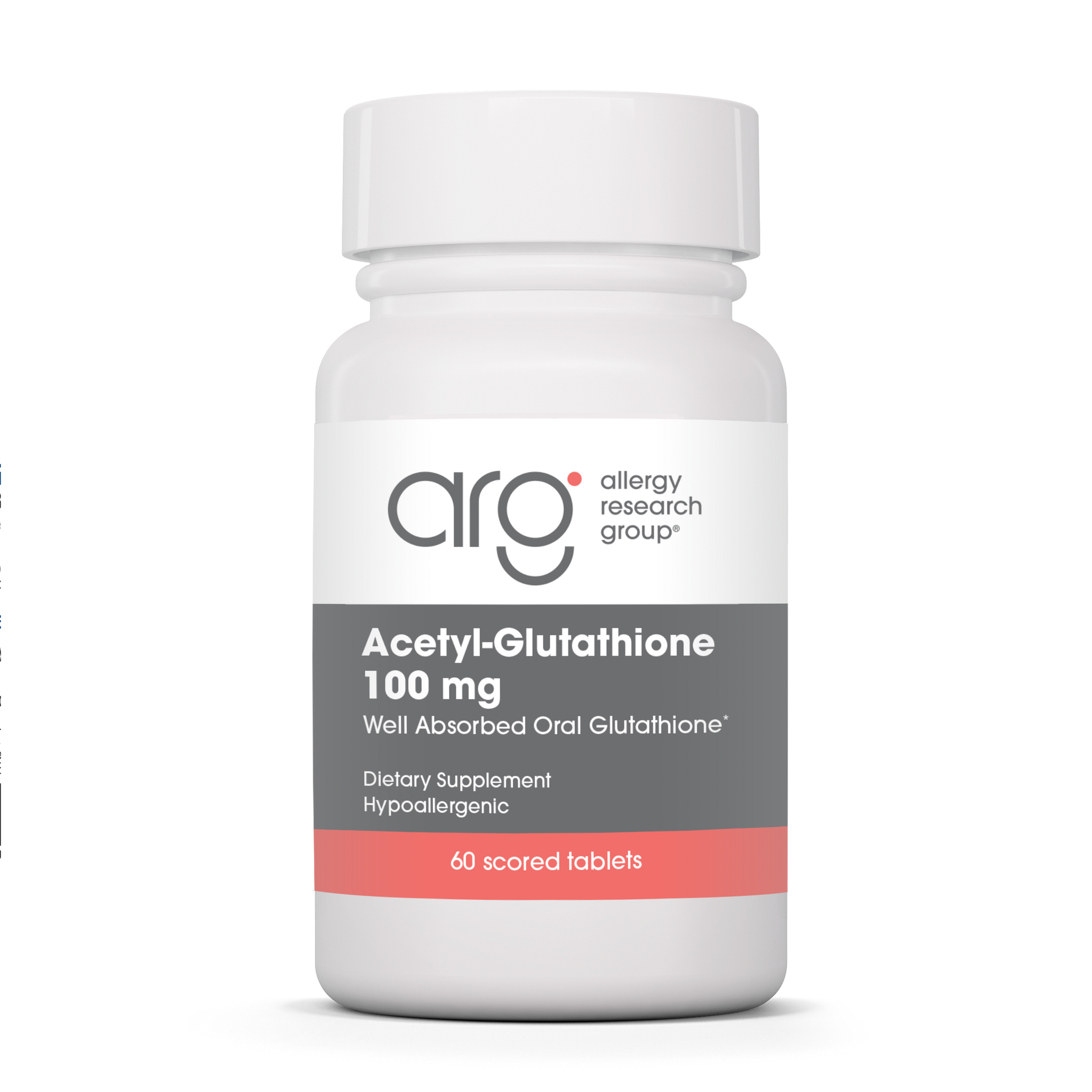
Personal experience case (the “it helped me” scenario): I tried an acetylated glutathione capsule routine (I used a 100 mg daily product similar in intent to what many brands market for oral support). I took it with breakfast and tracked three things: perceived energy (morning to afternoon), skin “dullness” in consistent lighting, and any GI comfort. Over about 10–14 days, I noticed my afternoons felt slightly less heavy. Skin-wise, I didn’t get “dramatic brightness,” but the overall look in photos seemed a touch more even. The biggest benefit for me was not a transformation—more like a modest smoothing of how I felt under stress. Importantly, I was also sleeping and walking more consistently, so I can’t claim glutathione was the sole cause.
Negative case (the “it didn’t” scenario): A friend tried a higher-dose glutathione product during a season when he was already dealing with reflux. After about a week, he noticed bloating and a mild nausea-like feeling after taking it. He stopped, symptoms improved, and he didn’t restart. He told me it wasn’t that he “felt nothing”—it was that he felt enough discomfort to decide it wasn’t worth it. That’s a realistic outcome for the benefits of taking glutathione conversation: even if the supplement is generally tolerated, some people may not like the way their body reacts to a particular form, dose, or excipient.
What Research Suggests and What It Doesn't
The scientific story behind the benefits of taking glutathione is nuanced. Research suggests glutathione is biologically relevant and antioxidant pathways matter for health. However, translating that into supplement outcomes is not always straightforward. Different studies use different forms (reduced glutathione, glutathione precursors like NAC, liposomal forms, topical/intradermal approaches), different doses, and different populations. That means results can’t be assumed to carry over across products.
What research is more likely to support at a cautious consumer level: glutathione and related pathways may influence oxidative stress markers, and some studies report improvements in certain endpoints (for example, skin-related outcomes or inflammatory balance in specific contexts). Still, “improved markers” is not the same as “you will feel younger” or “you will cure a condition.” Evidence can also be limited by sample sizes, short durations, and variation in how outcomes are measured.
Risks and limitations you should take seriously: supplements can cause GI upset, headache, or hypersensitivity reactions in some people. Quality variability is another real-world factor—if a product has inconsistent potency or unclear labeling, your experience can differ from the expected “brand story.” And if you combine glutathione with medications that affect bleeding risk or immune function, you may create unnecessary interaction risk.
Ingredients, Formats, and Quality Signals
In a practical 55+ buying mindset, “what is in it” and “how it’s made” matter as much as the promise. Here’s how to interpret common glutathione supplement approaches:
- Glutathione form: Products may list “reduced glutathione,” “acetyl glutathione,” or “liposomal glutathione.” Each has different rationale and consumer expectations.
- Precursor options: NAC (N-acetylcysteine) is often used to support glutathione synthesis rather than supplying glutathione directly.
- Oral vs. other routes: Oral capsules/tablets are the most common consumer option; inhaled or IV forms are generally used under medical supervision.
- Typical add-ins: Some blends include vitamin C, selenium, or antioxidants that may support overall oxidative balance.
Quality signals I look for before buying for myself: third-party testing (especially for potency and contaminants), transparent ingredient lists (including excipients), clear dosage per serving, and a manufacturer willing to provide documentation. Even if the marketing name emphasizes the benefits of taking glutathione, the label and testing matter more than the headline.
Pricing reality check: many oral glutathione supplements for 55+ consumers run roughly in the “mid” range per month depending on dose and whether the formula is liposomal. If a product is extremely cheap for a high dose, it may reflect lower-quality inputs or inconsistent potency. If it’s extremely expensive, you still need proof of testing and clear dosing—not just premium branding.
Comparison of Common Options
| Format | Typical Dose/Use | Pros | Cons | Cost | Best For |
|---|---|---|---|---|---|
| Oral reduced glutathione | Often ~50–250 mg daily | Simple routine; widely available | Bioavailability varies by product; may cause GI upset | Low–mid | General antioxidant support interest |
| Oral acetyl glutathione | Often ~100–300 mg daily | Common for consumer “skin/antioxidant” routines | Still variable results; label quality matters | Low–mid | Trying a straightforward daily capsule |
| Liposomal glutathione | Often ~100–300 mg daily (varies) | Designed for improved delivery; premium brands | Higher price; outcomes still not guaranteed | Mid–high | You want a delivery-focused product |
| NAC (precursor) | Often ~600 mg once or divided | Supports endogenous glutathione synthesis | May cause nausea for some; not the same as giving glutathione directly | Low–mid | People who prefer precursor-based approaches |
| Medical IV/inhaled glutathione | Clinician-directed only | Can be appropriate in specific clinical contexts | Not a home supplement; higher medical oversight needed | High | Medical guidance-based decisions only |
Buying Framework and Red Flags
Here’s a simple checklist to evaluate products if your goal is to explore the benefits of taking glutathione without getting trapped by hype.
- Label clarity: Does it list the exact form (reduced, acetyl, liposomal) and the dose per serving?
- Third-party testing: Is there evidence of potency and contaminant screening (and is it easy to find)?
- No guaranteed outcomes: Red flag if it promises cure-level results or instant transformation.
- Reasonable pricing: Extreme discounting for premium claims can be a quality signal risk.
- Ingredient sanity: If it’s a complex blend, check for unnecessary fillers and strong stimulants if you’re sensitive.
- Directions and tolerability: Does the brand offer clear usage guidance (timing, with/without food)?
- Medical compatibility: If you take warfarin, antiplatelets, or have chronic conditions, ask a clinician before starting.
Also, watch for red flags in your own experience. If you get persistent headaches, hives, wheezing, severe stomach pain, or symptoms that feel allergic, stop and seek medical advice. “Mild GI discomfort” can happen; “systemic” reactions are not something to push through.

Common Mistakes and How to Avoid Them
One of the biggest mistakes when people pursue the benefits of taking glutathione is treating supplements like a switch instead of a routine. If you start, take it “randomly,” and don’t track any outcome for a short window, you’ll have trouble knowing whether it helped. Another common mistake is doubling doses too fast because you don’t feel anything in a few days.
Here are the mistakes I’d avoid:
- Changing multiple variables: Don’t overhaul sleep, diet, and exercise at the same time.
- Ignoring form differences: Oral glutathione isn’t identical to precursor NAC, liposomal delivery, or medical routes.
- Skipping tolerability checks: If you’re sensitive, start with the lower end of the label’s guidance and reassess.
- Assuming “more” is better: Higher doses can increase side effects without clearer results.
FAQ
Is it proven that the benefits of taking glutathione work for men over 55?
The concept is supported by biology, and some studies report improvements in certain outcomes tied to oxidative stress and related pathways. However, “proven” in the sense of consistent, guaranteed results for every 55+ man is not accurate. Effects can vary by form, dose, health status, and how the study measures endpoints.
How long does it take to notice the benefits of taking glutathione?
For typical oral routines, some consumers report noticing subtle changes in 2–4 weeks (especially for “how I feel” or skin appearance cues). Other outcomes may take longer, and some people notice nothing. A practical approach is to run a controlled short experiment (see the 2-week framework below) and extend only if you tolerate it and see at least mild positives.
What side effects should I watch for when taking glutathione supplements?
Commonly reported issues are mild GI upset (bloating, nausea), headache, or skin sensitivity in rare cases. Stop and seek medical help if you experience hives, swelling, wheezing, or severe symptoms. Also watch for reactions if you have a history of allergies.
Can it combine with other supplements (like vitamin C) for more benefits of taking glutathione?
Many people combine glutathione with vitamin C or other antioxidants. In general, combining antioxidants can be reasonable, but it’s not automatically better. The safest approach is to avoid stacking multiple new products at once—so you can identify what helps or what causes side effects. If you take medications or have a condition, ask a clinician about interactions.
Oral versus injection or alternative forms: which is better for the benefits of taking glutathione?
Oral supplements are typically used for general wellness support. Injections/IV and some inhaled approaches are usually medical interventions and not interchangeable with home supplement use. “Better” depends on the goal and clinical context—not a universal winner. If you’re comparing options, focus on safety, your tolerance, and whether a form is appropriate for you under supervision.
A Practical 2-Week Experiment Framework
If you want to assess the benefits of taking glutathione without guessing, run a simple, time-bound test. This is the closest thing to a consumer “trial” that doesn’t turn into a journal of random variables.
| Day | What to do | What to track |
|---|---|---|
| 1–2 | Start at label guidance. Take consistently (e.g., with breakfast). | GI comfort, any headaches, appetite changes, sleep quality. |
| 3–7 | Keep routine stable; do not introduce multiple new supplements. | Energy in late afternoon, workout/recovery feel (subjective), mood stability. |
| 8–14 | Continue same dose. Take consistent lighting photos if skin is your main interest. | Photo comparison, skin “evenness” impressions, any persistent side effects. |
| End of day 14 | Decide: continue, lower dose, switch form, or stop. | Was there a modest positive trend with tolerable side effects? |
| Optional follow-up (week 3–4) | Only if you tolerated it and saw mild positives. | Confirm whether effects persist or fade; avoid chasing “bigger” by increasing dose too fast. |
I like this approach because it respects the reality that the benefits of taking glutathione (if any) are often subtle. If you didn’t tolerate it, the experiment ends. If you tolerated it but felt nothing, you can stop without guilt. If you felt modest improvements, you can consider continuing—still without assuming it’s medically treating anything.
About the Author
I’m Marcus Bennett, a long-time supplement consumer and reviewer in the wellness space, with experience comparing oral antioxidant products for men 50+ who want practical routines—not medical promises. My process emphasizes dose transparency, ingredient quality signals, and short “real-life trials” with tracking (energy, GI comfort, and skin photo consistency) so readers can interpret results realistically.
Disclaimer: This article is for informational purposes only and reflects consumer-style evaluation. It doesn’t diagnose, treat, cure, or prevent any disease. If you’re taking medications, have a medical condition, or are considering higher-risk forms (like IV/inhaled use), talk with a qualified healthcare professional before trying glutathione or precursors. Individual experiences vary, and the benefits of taking glutathione are not guaranteed.
Discussion