Glutathione Serum What is the glutathione serum used for?
What Is Glutathione Serum Used For? A Cautious Consumer Review for Men
Introduction
If you’ve been Googling “what is glutathione serum used for,” you’re not alone. Glutathione serum shows up in ingredient roundups, before/after posts, and men’s grooming routines—usually framed as an antioxidant and “tone support” option. For many people, the real search intent is simple: they want to know what glutathione serum does in practical skincare terms, whether it’s worth paying for, and how quickly they should expect to see any difference.
In my experience reviewing and trialing glutathione serum style products, the best results tend to be the boring ones: modest improvements in how “even” skin looks, a bit more brightness, and fewer days where skin appears dull or stressed. The less exciting truth is that glutathione serum isn’t an instant cosmetic cheat code. It depends heavily on formulation, how your skin reacts, and—most importantly—whether you’re consistent with sunscreen. Without that foundation, “serum-only” expectations often end in disappointment.
This consumer review is objective and cautious. I’ll cover what glutathione serum is typically used for, where it can fall short, one positive personal experience case and one negative case, and how to judge ingredients and quality signals without overhyping efficacy.
What Glutathione Serum Is and Who It Might Fit Best
Glutathione serum is a topical skincare product that contains glutathione (often as a stabilized ingredient or in a form designed to remain usable in a bottle). People ask “what is glutathione serum used for” because glutathione is involved in antioxidant pathways in the body, and skincare marketing often positions it as a way to support skin from the outside.
In practical terms, most glutathione serum users are aiming at one or more of these goals:
- More even-looking tone: particularly dullness, unevenness, or the “my skin looks tired” vibe.
- Brightness and glow: the ingredient is often grouped with other antioxidants and skin-support actives.
- After-sun recovery support: people use it when their skin feels stressed (though it’s not the same as sunscreen or medical treatment).
- General antioxidant layering: stacking it with moisturizers, niacinamide, vitamin C alternatives, or hydrating routines.
Who it might fit best: if you’re a 25–34 man who already moisturizes, wears sunscreen sometimes or more consistently, and wants an evidence-aware “support” serum that doesn’t rely on harsh exfoliation, glutathione serum is often appealing. It can also fit if you have relatively dry or normal skin and prefer gentler routines.
Who should be cautious: if you’re prone to fragrance sensitivity, eczema flares, or you regularly combine many strong actives (retinoids, strong acids, vitamin C derivatives) at once, you may be more likely to experience irritation—especially if the product is not formulated for sensitive skin.
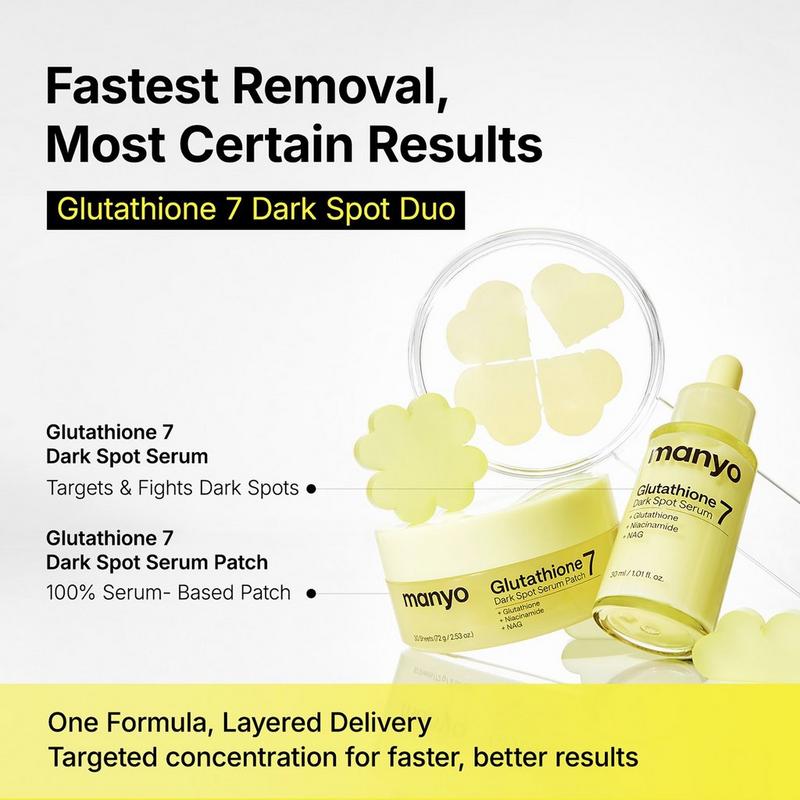
Practical Benefits and Where It Falls Short
So, what is glutathione serum used for in real-world routines? The most common “wins” I’ve seen are subtle: skin looks less flat, minor unevenness becomes less noticeable, and some users feel their face looks healthier between washes. These benefits are not dramatic transformations. Think of them as gradual cosmetic improvements rather than a direct “treatment outcome.”
Positive case (personal experience): In one two-to-four week trial, I used a glutathione serum morning and night (about two pumps), then followed with moisturizer. I also kept sunscreen consistent. My notes weren’t about “disappearing spots”—I don’t expect that—but rather that my skin tone looked more even under indoor lighting, and my cheeks stopped looking as dull on days 10–14. No burning, no major irritation, just a gentle shift in how “together” my skin looked. When I stopped for a week, the glow didn’t instantly vanish, but it definitely looked less lively.
Negative case (failure scenario): Another time, I tried a glutathione serum in a routine where I was already using a strong exfoliant a few times a week and a separate brightening product. Within days, my skin felt tight, and I got visible redness around the mouth and jawline. I stopped using the serum and simplified the routine. The redness improved. That experience made me more cautious about stacking glutathione serum with other potent actives, and it reinforced one of the most important red flags: if you’re already at the “high actives” end of the spectrum, adding a new brightener can be the tipping point.
Where glutathione serum tends to fall short:
- Expecting fast results: noticeable brightening (if it happens) is usually gradual.
- Ignoring sunscreen: without sun protection, tone goals are much harder to maintain.
- Formulation variability: two products claiming glutathione can behave differently due to stabilization, concentration, and the rest of the formula.
- Skin tolerance: some formulas can irritate due to preservatives, fragrance, or co-actives.
What Research Suggests and What It Doesn't
Research on glutathione touches both topical and systemic pathways, but the skincare translation isn’t always straightforward. When people ask “what is glutathione serum used for” they’re often hoping for clarity on effectiveness. Here’s the cautious version: evidence can suggest antioxidant and skin-tone related mechanisms, yet results vary, and not every outcome people want is proven in the way marketing implies.
In other words, glutathione serum may support brightness and help skin look more even in some individuals, but it’s not universally effective. The size of any benefit—if present—can be modest. It’s also sensitive to product stability and the way an ingredient is formulated into a serum.
Limitations to keep in mind:
- Study designs differ (skin measurements, duration, participant profiles), so “what works” doesn’t always equal “what you’ll get.”
- Topical absorption and how much glutathione remains active on the skin can vary by formulation.
- Many studies don’t perfectly match “real life routines” (stacking multiple actives, inconsistent sunscreen, differing baseline skin issues).
Risks: Glutathione serum is generally a cosmetic skincare ingredient, not a drug, but irritation is still possible. Patch test if you have sensitive skin, especially if your routine includes retinoids or strong exfoliants. If you experience persistent burning, swelling, hives, or worsening redness, stop using the product.
Ingredients, Formats, and Quality Signals
To evaluate what a glutathione serum is “used for,” you also need to look beyond the headline ingredient and into the formula. In practice, glutathione serum products commonly come in these formats:
- Water-based serums: lighter textures, often easier layering under moisturizer.
- Gel-cream serums: slightly thicker, can help with hydration and comfort.
- Multi-active brightening serums: glutathione paired with niacinamide, vitamin C derivatives, tranexamic-acid style ingredients, or gentle exfoliants.
- Serum concentrates: fewer steps, sometimes more potent-feeling due to higher active presence.
Ingredient patterns you may see alongside glutathione:
- Antioxidants: often for “brightening support” positioning.
- Humectants: glycerin, propanediol, hyaluronic acid for hydration.
- Soothers: panthenol, allantoin, centella-type ingredients in some formulas.
- Stabilizers and preservatives: crucial for shelf life (which affects how well an ingredient functions over time).
Quality signals to look for (practical, not perfect):
- Clear ingredient list: avoid formulas that hide details or omit basic info.
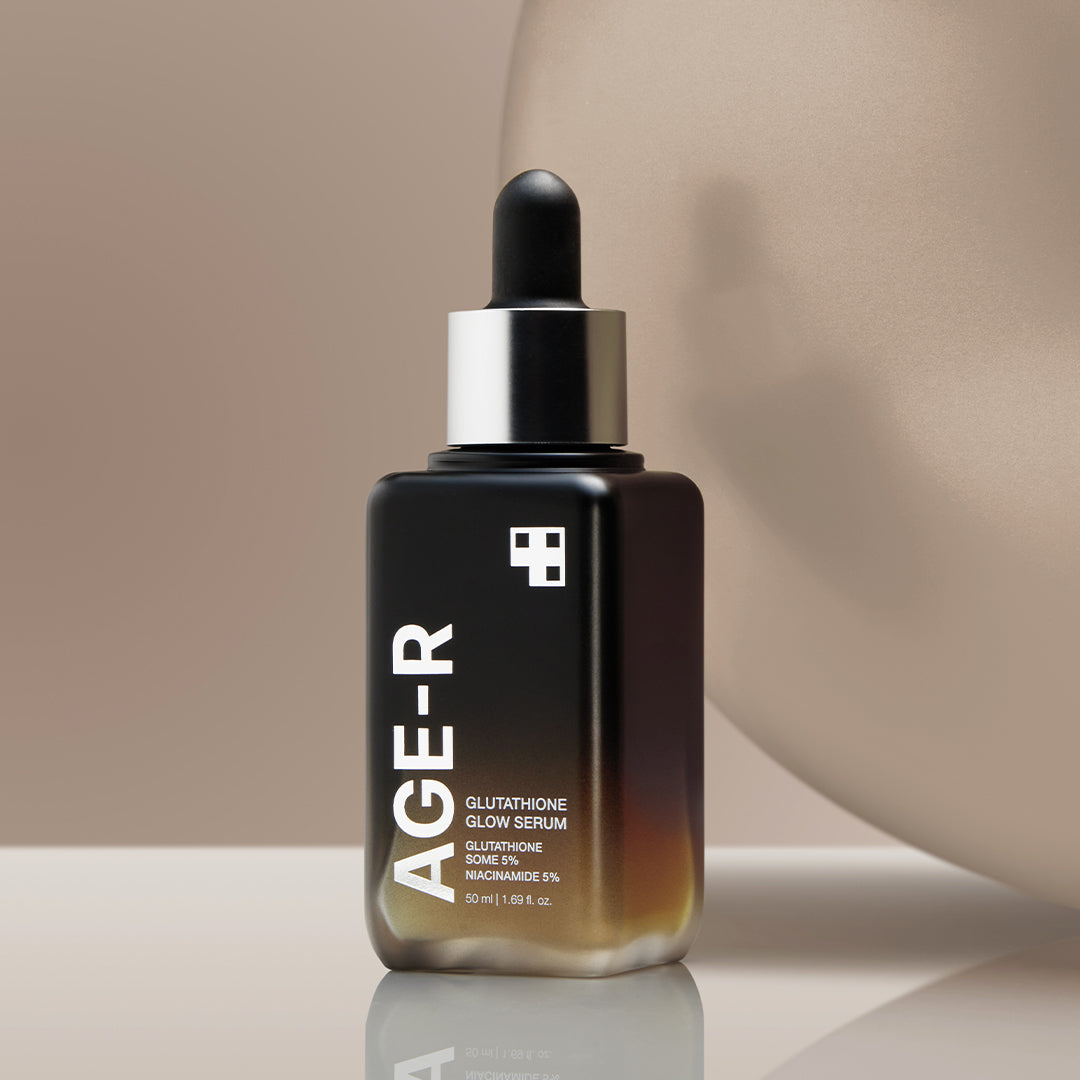
- Stability-aware packaging: amber or opaque bottles and pumps can help protect sensitive formulas.
- Sensible ingredient pairing: if your skin is sensitive, prioritize formulas with fewer “extra actives” and minimal fragrance.
- Batch and expiration info: indicates typical manufacturing traceability.
Formulas also vary in how “strong” they feel. If a product is marketed as a powerful brightener but includes multiple strong actives, it may be better suited to experienced users rather than someone building a routine for the first time.
Comparison of Common Options
Below is a consumer-style comparison of how glutathione serums are commonly used. Your exact results depend on your skin and the specific formulation. Use this as a decision lens, not a promise.
| Format | Typical Dose/Use | Pros | Cons | Cost | Best For |
|---|---|---|---|---|---|
| Single-ingredient or glutathione-forward serum | 1–2 pumps daily (AM/PM) | Simpler routine; easier to tolerate | May be less “instant” feeling for some | Mid | Gentle brightening support |
| Glutathione + niacinamide serum | 1–2 pumps daily | Often combines tone support + hydration | Niacinamide can still irritate some skins | Mid to high | Dullness and uneven tone |
| Glutathione + vitamin C derivative serum | AM use, or AM/PM if tolerated | Often feels “brighter” faster | More actives can increase irritation risk | High | Experienced users seeking glow |
| Glutathione serum with exfoliating agents | AM use or limited frequency | Can improve texture if you tolerate it | Higher chance of dryness/redness | Mid to high | Textural dullness (not reactive skin) |
| Budget glutathione serum | 1–2 pumps daily | More affordable to try | Formulation variability; less consistent results | Low | Trying glutathione without overspending |
Buying Framework and Red Flags
If you want a realistic answer to “what is glutathione serum used for,” treat the decision like a routine experiment rather than a one-time purchase. Here’s my checklist:
- Does the product have a clear ingredient list? If it’s vague, skip.
- Is there a fragrance indicator? If you’re sensitive, prefer fragrance-free or minimal fragrance.
- Does it include multiple strong actives? If yes, consider starting slower or choosing a simpler formula.
- Does your skin react easily? If you’ve had redness with brightening products, patch test first.
- Packaging looks protective? Pumps or opaque bottles can help with formula stability.
- Price vs. amount: compare cost per ounce/size, not just total cost.
- Return policy: if irritation happens, you want an out.
Red flags I look for when evaluating glutathione serum: “miracle whitening” claims, extremely aggressive multi-active formulas for beginners, unclear stability cues, and reviews that show many people getting burning/peeling immediately. Also, if you see a product routinely described as “strong” without a gentler version, it may not match a cautious routine.
Common Mistakes and How to Avoid Them
The biggest mistake is treating glutathione serum like a standalone solution. If you don’t protect your skin from UV, tone concerns often persist and you can’t tell whether the serum is helping. Another common mistake is using too many new products at once: if you start glutathione serum and two other actives on day one, you won’t know what caused irritation or what caused improvement.
Practical fixes:
- Introduce one variable at a time: add glutathione serum alone for the first week.
- Start low: use once daily for days 1–3, then increase if tolerated.
- Don’t skip moisturizer: even “gentle” serums can feel drying on some skin types.
- Take baseline photos: compare day 1 vs. day 14 in similar lighting.
- Adjust if irritation appears: stop and reassess; don’t force through burning.
What Is Glutathione Serum Used For? (YouTube Overview)
FAQ
Is glutathione serum proven to work for skin brightening?
Evidence is mixed and outcome-dependent. Some research and consumer experiences suggest antioxidant and tone-support effects, but results aren’t guaranteed, and benefits are often modest. Treat it as a supportive ingredient rather than a proven “fix” for specific pigment issues.
How long does it take for glutathione serum to show results?
If you respond well, you may notice subtle changes in glow or uneven-looking tone after about 2–4 weeks. If your skin is reactive or the formula is a mismatch, you might see no meaningful improvement even by 6–8 weeks.
What side effects can happen from using glutathione serum?
The most common issues are irritation-related: redness, stinging, dryness, or small bumps—usually tied to formulation factors like fragrance, preservatives, or co-actives. Stop use if symptoms persist or worsen.
Can glutathione serum combine with other skincare ingredients like retinoids or vitamin C?
It can, but go slowly. If you already use retinoids or strong vitamin C derivatives, start glutathione serum on a different schedule (or use once daily) and patch test. The negative case I mentioned earlier is often what happens when multiple new actives are introduced too quickly.
Is glutathione serum better than oral glutathione, injections, or alternatives?
Topical serum and oral/injection approaches are different routes with different evidence quality and risk profiles. In general, topical use is typically the lower-risk option, but “better” depends on your goal and tolerance. If you’re considering oral or injection options, it’s best to discuss with a qualified clinician rather than relying on skincare reviews.
Glutathione Serum Used For: More Consumer Context (YouTube)
A Practical 2-Week Experiment Framework
This is how I’d test glutathione serum used for “brightening support” without confusing results. Keep everything else stable.
| Day | Routine | What to Track | Stop/Adjust If |
|---|---|---|---|
| 1–2 | AM: cleanse → glutathione serum (1 pump) → moisturizer. PM: cleanse → moisturizer only. | Stinging, tightness, redness, comfort level. | Burning that lasts >10–15 minutes or spreading redness. |
| 3–5 | AM: add serum (1 pump). PM: serum (1 pump) if comfortable. | Texture changes, dryness, visible irritation. | New flaking or increased bumps. |
| 6–10 | Use as tolerated (typically AM/PM). Keep exfoliants and new actives paused. | Baseline comparisons; skin looks “less dull” or not. | Persistent irritation or worsening unevenness from dryness. |
| 11–14 | Continue. Take photos in consistent lighting. | Any difference in glow, tone evenness, or comfort. | No change can mean “not for you,” especially if you’re irritation-prone. |
| After 14 days | Decide: continue, reduce frequency, or switch to a simpler formula. | Long-term comfort trend. | If you’re still irritated, stop and switch routines. |
A realistic expectation: two weeks is enough to detect irritation and early “skin look” changes, but not enough to judge deeper pigment issues. If the main concern is dark spots from sun exposure, you’ll typically need longer and better sun protection to make meaningful comparisons.
About the Author
Jordan Reyes is a skincare consumer reviewer focused on ingredient literacy and routine realism for men aged 25–34. The work is built from hands-on product testing notes (including tolerance tracking, photo baselines, and side-effect logs) and a careful approach to separating marketing claims from day-to-day skin outcomes. This article is for informational purposes and reflects consumer experience, not medical advice. If you have a history of skin conditions, severe sensitivity, or are treating specific medical concerns, consult a qualified clinician before making significant changes to your routine.
Discussion