Antioxidant Glutathione Supplement What does antioxidant glutathione do?
What Does Antioxidant Glutathione Do? A Cautious, Consumer-Style Review for Women 35–44
If you’re a woman in your late 30s to early 40s, you’ve probably noticed the way wellness conversations shift over time: fewer “quick fixes,” more interest in long-term maintenance. That’s a big reason the question what does antioxidant glutathione do keeps popping up—especially among people who are trying to support skin appearance, feel more “steady” day to day, and reduce the feeling that aging is happening faster than it should.
In plain language, glutathione is an antioxidant your body makes. It’s involved in cellular defense against oxidative stress—basically the internal chemistry that happens when reactive molecules build up faster than the body can handle. When supplements enter the conversation, the marketing usually focuses on antioxidant glutathione and how it might help the body manage oxidative stress. But “help manage oxidative stress” is not the same thing as “guaranteed results,” and that’s where consumer expectations can get messy.
What Antioxidant Glutathione Is and Who It Might Fit Best
Antioxidant glutathione refers to the role glutathione plays as an antioxidant in the body. Glutathione helps neutralize reactive species and supports important cellular processes. It’s also part of the broader antioxidant network—your body doesn’t rely on a single molecule.
Who it might fit best (based on common consumer patterns):
- Women 35–44 who want a cautious “support” supplement rather than a dramatic change. This includes people who already do sunscreen, basics of nutrition, and consistent routines.
- People who tolerate antioxidants and want to add a single variable (rather than stacking five new products at once).
- Those interested in glutathione-related skincare claims, especially when they’re trying to understand what does antioxidant glutathione do for skin appearance without assuming it’s a treatment.
Who may be less likely to love it:
- Anyone hoping for immediate, guaranteed cosmetic outcomes.
- People who are sensitive to supplement excipients (for example, certain capsules, flavors, or additives).
- People who are already treating a medical condition and want to add glutathione-like products without discussing interactions first.
Practical Benefits and Where It Falls Short
Let’s talk like a consumer review. When people ask what does antioxidant glutathione do, they usually want one of three things: (1) supportive antioxidant effects, (2) something they can notice in skin-related appearance over time, or (3) a general “I feel better” outcome.
Personal experience case (mixed but informative):
I tried an oral reduced glutathione capsule and kept my other habits stable: same moisturizer, same sunscreen, and the same breakfast routine. I took it consistently for about 8 weeks, and the only change I felt confident about was that my skin looked a bit less “dull” on days when I had less sleep. That said, I didn’t get a dramatic tone shift or an overnight glow. If anything, the effect felt subtle—more like “maybe my baseline looked slightly better,” not “problem solved.” What surprised me most was that the benefit (if it existed) didn’t feel linear. Some weeks I thought it was working, then it plateaued. That pattern is common in antioxidant support: oxidative stress support isn’t a switch.
Negative case (why some people feel nothing or feel worse):
A friend (similar age range) tried a higher-dose liposomal glutathione product and expected noticeable results quickly. Within the first week, she reported mild stomach upset—bloating and occasional nausea—especially when taken on an empty stomach. She adjusted to taking it with food, but she still decided to stop after 2–3 weeks because the side effects felt more annoying than any potential benefit. She also noticed that when she forgot doses, her perceived “benefit” disappeared, which made her question whether it was the supplement or a coincidence with better sleep that week.
Bottom line: what antioxidant glutathione does for you may be either subtle support or nothing noticeable. And for some, tolerability (not efficacy) becomes the limiting factor.

What Research Suggests and What It Doesn't
Evidence is where claims should slow down. Research on glutathione and antioxidants generally supports the idea that glutathione plays roles in cellular defense. That part is biologically plausible. The cautious consumer question is the leap from “glutathione matters in the body” to “a supplement will produce a specific, noticeable outcome for most people.”
What research suggests (in broad terms):
- Glutathione is involved in oxidative stress defense. That’s a foundational concept.
- Some studies look at oral or topical approaches for various outcomes related to oxidative stress and skin-related markers, but results vary.
- Form and absorption may influence outcomes. That’s why different products (reduced glutathione vs liposomal glutathione vs precursors like NAC) are often grouped together but not equal.
What research doesn’t settle:
- Whether antioxidant glutathione provides consistent cosmetic results for everyone.
- The exact dose-response curve for skin appearance or other consumer goals.
- How long it takes for meaningful change across different people, products, and baseline conditions.
Risks and limitations to respect:
- Supplements can cause gastrointestinal side effects in some people.
- Product quality differences can affect what you’re actually buying.
- Anyone who is pregnant, breastfeeding, has a chronic condition, or takes medications should avoid “trial-and-error” alone—talk to a clinician before adding glutathione or closely related ingredients.
Ingredients, Formats, and Quality Signals
If you’re comparing options, the ingredient list and format matter. When someone asks what does antioxidant glutathione do, a big part of the answer depends on the form you’re taking and how the product is made.
Common glutathione-related forms you’ll see:
- Reduced glutathione (GSH) capsules or tablets
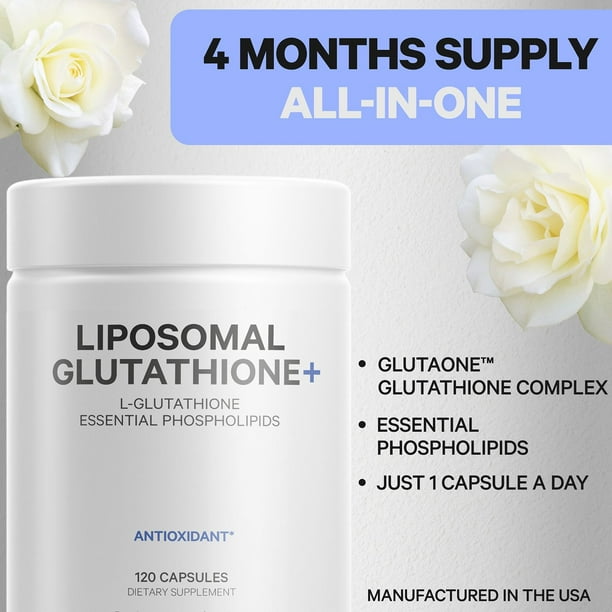
- Liposomal glutathione (glutathione packaged in liposomes to support delivery)
- Glutathione precursors such as NAC (N-acetylcysteine) and sometimes glycine + glutamate + cysteine blends
- Topical glutathione products (creams/serums) — different pathway, not interchangeable with oral
Quality signals worth looking for:
- Third-party testing (e.g., independent certificates of analysis)
- Clear label transparency (exact form, standardized amounts, and sensible dosing instructions)
- Stability information when relevant (glutathione can be sensitive; good manufacturers address this)
- Minimal proprietary blends when you’re choosing a product—proprietary blends can hide dose clarity
- Allergen and excipient clarity if you have sensitivities (colorants, fillers, shell materials)
YouTube overview (embed)
Comparison of Common Options
Here’s a practical comparison based on how people typically use these products—not a promise of identical outcomes. Doses vary by brand, so always confirm your label.
| Format | Typical Dose/Use | Pros | Cons | Cost | Best For |
|---|---|---|---|---|---|
| Reduced glutathione capsules/tablets | Often 250–500 mg/day for 6–8+ weeks | Common entry option; easy to dose | Some people report GI upset; noticeable results aren’t guaranteed | Low–mid | Trying antioxidant glutathione support without a big budget |
| Liposomal glutathione | Often 200–500 mg/day, sometimes taken with meals | May be better tolerated for some; delivery-focused | Can cost more; some still experience stomach issues | Mid–high | You want a “delivery-enhanced” approach |
| NAC (glutathione precursor) | Often 600 mg/day (varies by product) | Common alternative; may support internal glutathione levels | Not the same as taking antioxidant glutathione directly; potential interactions | Low–mid | You prefer a precursor approach and can tolerate NAC |
| Combination antioxidant blends | Varies; may include glutathione + vitamins/plant antioxidants | Convenient if you already like multi-antioxidant routines | Harder to tell what’s doing what; proprietary blends may obscure doses | Mid–high | You want to cover multiple pathways |
| Topical glutathione | Applied daily/AM–PM as directed | Direct skin application can fit into routines | Not interchangeable with oral; results depend on formula and tolerance | Mid | You’re focused on skin appearance and prefer topical consistency |
Buying Framework and Red Flags
Here’s a checklist you can use when shopping for antioxidant glutathione products—especially if you’re trying to avoid paying for hype.
- Check the exact form (reduced glutathione vs liposomal vs NAC precursor).
- Look for dose clarity (avoid vague “proprietary blends” when possible).
- Confirm independent testing or credible quality documentation.
- Read the supplement facts carefully (watch for high fillers or unnecessary additives if you’re sensitive).
- Be cautious with “miracle” claims tied to antioxidant glutathione for fast whitening/age reversal outcomes.
- Check timing instructions and whether taking it with food is recommended for GI comfort.
- Red flag: no label transparency, no testing, or unclear manufacturing standards.
- Red flag: dosage suggestions that ignore safety context (especially for people with conditions or on medications).
Common Mistakes and How to Avoid Them
Most disappointments with what does antioxidant glutathione do come from expectations and experiment design—not from the molecule itself.
- Changing too many variables at once. If you start a new skincare routine, change diet, begin retinoids, and add glutathione all in the same week, you can’t tell what helped (or irritated you).
- Skipping consistency. If you miss doses frequently, your results may fluctuate and you’ll blame the supplement when it’s really adherence.
- Trying to judge too early. Antioxidant glutathione-related expectations often target skin appearance. That’s rarely a 48-hour change.
- Ignoring stomach sensitivity. If a product causes nausea or bloating, don’t “push through” blindly—adjust with food, reduce frequency, or stop.
- Assuming oral equals topical. Oral glutathione and topical glutathione are different pathways; switching formats doesn’t make one better automatically.
FAQ
1) Is it proven that antioxidant glutathione works for skin or aging concerns?
Evidence supports that glutathione is involved in antioxidant defense, but “proven” for specific cosmetic outcomes is more complicated. Some studies suggest possible benefits related to oxidative stress markers and skin-related endpoints, yet results vary by form, dose, and study design. A realistic consumer expectation is “possible support,” not guaranteed anti-aging results.
2) How long does it take to notice benefits from antioxidant glutathione?
For most supplement routines, people often evaluate within 6–8 weeks when aiming at skin appearance or baseline “feel.” Some notice changes sooner (or think they do), but early signals can be misleading. A cautious approach is to test for at least 6–8 weeks before deciding it’s not for you.
3) What side effects can happen with antioxidant glutathione supplements?
The most common complaints tend to be gastrointestinal (nausea, bloating, stomach discomfort) and, less often, headaches or intolerance to specific capsule ingredients. If you experience side effects, adjust how you take it (often with food) or stop.
4) Can I combine antioxidant glutathione with other supplements (like vitamin C, collagen, or NAC)?
Sometimes yes, but don’t stack new products all at once. Combining is often reasonable if ingredients don’t overlap in ways that upset your stomach and if you’re not on medications that require extra caution. If you’re considering NAC alongside antioxidant glutathione products, be especially careful about dosing and interactions—check with a clinician first.
5) Oral vs injection/alternative glutathione: what’s the safest way to think about options?
Oral products are the most common consumer option, and they allow you to monitor tolerance gradually. Injection options are typically not part of standard over-the-counter supplement use and can carry additional risks depending on setting and protocol. If you’re considering injections or any medical alternative, discuss it with a qualified clinician rather than trying to self-compare products.
YouTube overview (embed)
A Practical 2-Week Experiment Framework
You can’t fully judge what does antioxidant glutathione do in two weeks—especially for skin-related goals—but you can run a smart “tolerance + signal” trial. Here’s how I’d do it as a consumer review:
- Days 1–3: Start at label dose or a conservative half-step if you’re sensitive. Take it with food if the label or your experience suggests nausea risk.
- Days 4–7: Track tolerance: energy, digestion, headaches, and any unusual reactions. Don’t change skincare or diet yet.
- Days 8–14: Take simple notes on appearance-related observations (e.g., “less dull-looking” under consistent lighting), but treat this as a preliminary signal, not proof.
- If you get side effects: stop and reassess. Don’t keep pushing through GI symptoms.
- Decide next: If tolerance is good, you can continue toward a longer evaluation window (often 6–8 weeks) rather than judging immediately.
This framework helps you answer the real question: does antioxidant glutathione fit your body and routine? Not whether it’s universally life-changing.
About the Author
Jules Hart is a wellness writer and consumer-product reviewer who focuses on ingredient transparency, routine design, and measurable outcomes. Jules has reviewed antioxidant supplements and skincare-aligned add-ons for more than 7 years, emphasizing cautious testing, consistent tracking, and product comparisons that include failure cases (like when a supplement simply doesn’t agree with someone’s stomach).
Disclaimer: This article is informational and reflects consumer experiences and general supplement education. It is not medical advice, and it doesn’t promise treatment outcomes, cure claims, or guaranteed results. If you’re pregnant, breastfeeding, have a medical condition, or take medications, consult a qualified clinician before using antioxidant glutathione or related products.
Note on product promotion: The examples here are meant to guide selection and set expectations for glutathione supplementation quality, dosing clarity, and realistic timelines—not to guarantee efficacy.
Discussion