Dr M Glutathione What is the downside of taking glutathione?
What Is the Downside of Taking Glutathione? A Cautious, Product-Focused Consumer Review (2026)
Glutathione gets attention because it’s easy to understand on a label: “antioxidant.” For an 18–24-year-old guy—especially someone lifting, studying late nights, dealing with stress, or trying to improve skin—supplements that promise support for “cellular health” tend to spread fast online. That’s why the question “what is the downside of taking glutathione?” shows up in searches: people want the upside, but they also want to know what can go wrong in real life.
This is a consumer-style review focused on risk, tradeoffs, and practical expectations. I’m not treating you like a marketing lead or promising results. I’m going to cover common side effects, quality issues, and the kind of “failure case” that makes a supplement feel overrated. I’ll also include a simple 2-week experiment framework so you can evaluate whether glutathione fits your routine.
What What Is the Downside of Taking Glutathione Is and Who It Might Fit Best
Let’s define the topic keyword in plain terms: “what is the downside of taking glutathione?” usually means the downsides people actually experience—side effects, tolerability problems, and realistic limits of what glutathione supplements can do.
Glutathione is naturally produced in your body and plays a role in antioxidant defense and detox-related pathways. People commonly take glutathione to support general wellness, recovery habits, and sometimes appearance-related goals. For younger men, the appeal is often convenience: one capsule or one liquid serving, easy to stack with pre-workout routines, and marketed as “strong antioxidant protection.”
Who might fit best? Typically:
- People who already run a consistent diet, sleep routine, and training plan (supplements are supplements—your basics still matter).
- People with a clear goal they can measure (for example, noticing GI tolerance, skin flare frequency, or workout recovery quality).
- People who can monitor their response and stop if anything feels off.
Who might not be a great match? If you’re dealing with frequent migraines triggered by supplements, a history of medication reactions, asthma, or multiple chronic conditions—especially if you’re on prescription meds—glutathione may require more caution than a “fitness stack” approach.
Practical Benefits and Where It Falls Short
In practice, people often report feeling “better” in the broad sense—sometimes improved energy, sometimes less workout soreness, sometimes calmer skin. But those are subjective outcomes and can be influenced by sleep, calorie intake, training load, and stress. This is why the downside of taking glutathione matters: even if it feels helpful, the tradeoffs can still be real.
Personal experience case (positive-ish, with a clear boundary):
I tried a glutathione supplement for 16 days at the label’s recommended dose—an oral form (capsules) taken in the morning with breakfast. For me, the “benefit” was mostly tolerability and routine fit: I didn’t feel wired, and I didn’t get the typical stomach upset I’ve had with some vitamins. Around day 10, I noticed fewer random “dry/rough” moments on my face, and my workouts felt slightly smoother—not dramatically stronger, but like my body wasn’t as irritated afterward. The boundary: I also didn’t see any “instant glow” effect, and when I stopped for a week, the change was subtle enough that it wasn’t obvious. In other words: it was a mild, not magic.
Negative case (where the downside of taking glutathione became obvious):
A friend (early 20s, training 4–5 days/week) used a different product marketed for “fast results” and started at what looked like a higher-than-needed daily dose. Within 3–5 days, he developed a dull headache and mild nausea after taking it. He tried shifting the dose to after dinner and still felt off—especially on days he also drank pre-workout with extra caffeine. He stopped at day 7 and the symptoms faded. What he learned wasn’t “glutathione is useless,” but rather that for some people, the downside of taking glutathione is tolerability—particularly with certain forms and higher doses.
The pattern I’ve noticed in consumer use: glutathione rarely causes severe harm in most people, but it can be a poor fit if you’re sensitive to supplements, prone to headaches, or stacking too many variables at once (caffeine, creatine, fat burners, extra vitamin C, and so on).
What Research Suggests and What It Doesn't
Here’s the cautious part, like a consumer review should be. Research suggests glutathione and antioxidant pathways can matter biologically. But the jump from “antioxidant matters” to “this supplement will deliver the exact benefit you want” is where expectations can go sideways.
What research often supports (in broad terms):
- Glutathione is involved in oxidative stress balance.
- Some interventions that increase glutathione-related markers may affect oxidative stress and inflammation pathways.
- Certain forms and routes (oral vs other routes) may change outcomes.
What research usually can’t guarantee for supplement buyers:
- Consistent symptom improvement across all users at the same daily dose.
- Skin “brightening,” anti-aging, or immune boosts that translate directly from controlled studies to real-life routines.
- A clear timeline for everyone (how long does it take, in practice, depends on the person, the dose, and the baseline).
Risks and limitations you should keep in mind:
- The main downside of taking glutathione for many users is side effects—often GI or headaches—rather than “serious harm.”
- Quality variability is real. Two products with the same label amount can feel different because of formulation differences, fillers, and testing standards.
- Some people get better results from precursors (like NAC) rather than direct glutathione—yet precursors have their own considerations.
Bottom line: glutathione may support antioxidant status, but the evidence is not strong enough to treat it like a guaranteed “fix.” The sensible focus should be risk management, quality checks, and monitoring your personal response.
Ingredients, Formats, and Quality Signals
When you’re evaluating the downside of taking glutathione, the product format is part of the story. Different forms can have different absorption behavior and different tolerance.
Common glutathione product formats you’ll see:
- Oral glutathione capsules or tablets (often marketed for “direct supplementation”).
- Sublingual (under-the-tongue) glutathione products (marketed for faster uptake).
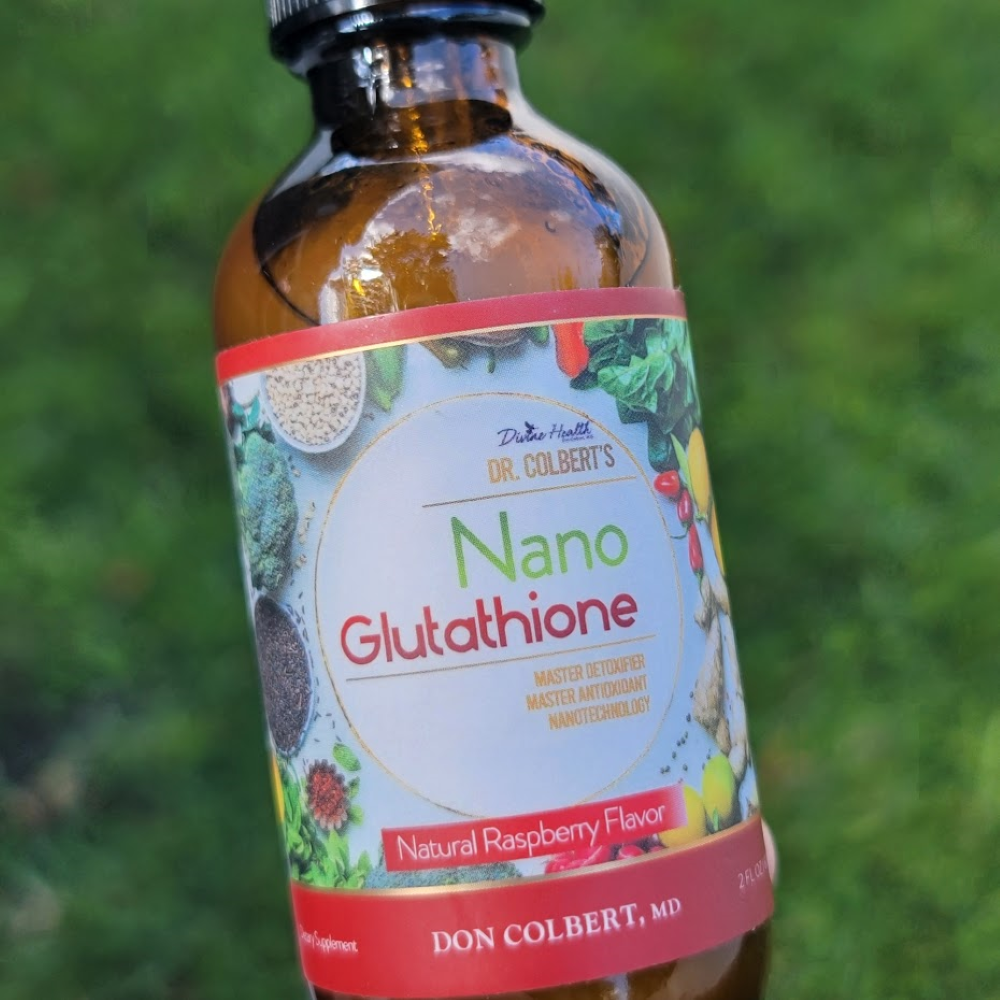
- Liquid glutathione (sometimes with additional stabilizers).
- Glutathione precursors such as N-acetylcysteine (NAC) (not glutathione itself, but used to support endogenous glutathione).
- Combination antioxidant stacks (vitamin C, selenium, glycine, and other co-factors).
Quality standards and signals to look for:
- Third-party testing (look for batch testing claims tied to a certificate, not just “trusted” language).
- Clear label transparency: amount per serving, full ingredient list, and no proprietary blend that hides dosing.
- Reasonable excipients and minimal “mystery” additives if you’re sensitive.
- Proper storage guidance (some antioxidants can be sensitive to heat/light; packaging matters).
- Good manufacturing practices (GMP) statements backed by recognizable quality systems.
Practical consumer tip: if you’re worried about the downside of taking glutathione, you should reduce variables. Choose one product, start at the lowest suggested dose on the label, and don’t combine it with a new fat burner or a high-caffeine plan during your first week.
Comparison of Common Options
Here’s a practical, consumer-oriented comparison. “Cost” is shown as typical purchasing ranges you might encounter in the supplement market, but your actual price depends on brand and dosage.
| Format | Typical Dose/Use | Pros | Cons | Cost | Best For |
|---|---|---|---|---|---|
| Oral glutathione capsules/tablets | 100–500 mg daily; often with breakfast | Simple routine; widely available | May cause GI upset or headaches in some users | Low to mid (often $10–$40/month) | Budget-friendly trial and beginners who want one variable |
| Sublingual glutathione | ~100–300 mg/day; taken under tongue | May feel more convenient; some users report faster “onset” | Still can irritate mouth or cause mild nausea; evidence varies | Mid to high (often $25–$70/month) | People who struggle with swallowing pills |
| Liquid glutathione | ~100–300 mg/day (varies by product) | Easier to dose; convenient for stacks | Flavor additives; dosing accuracy depends on measurement | Mid (often $20–$60/month) | People who prefer flexible dosing |
| NAC (precursor) | ~300–600 mg/day; timing varies | Supports endogenous glutathione; often well-studied | Can cause GI issues; may interact with certain meds | Low to mid (often $10–$40/month) | People who want an “indirect” approach rather than direct glutathione |
| Combination antioxidant blends | Varies; often multiple antioxidants + co-factors | Broader antioxidant profile; sometimes better tolerated | Harder to pinpoint the cause if side effects happen | Mid to high (often $25–$90/month) | People seeking a full-stack antioxidant routine |
Buying Framework and Red Flags
If you’re trying to avoid the downside of taking glutathione, your purchase decision matters. Use this checklist like a consumer would: fast, practical, and focused on risk.
- Label clarity: Does the product state the exact amount of glutathione (or NAC) per serving?
- Third-party proof: Is there credible batch testing or third-party verification (not vague claims only)?
- No mystery blends: Avoid proprietary blends that hide dosing.
- Form matters: Do you know whether it’s direct glutathione, sublingual, liquid, or a precursor like NAC?
- Additives: If you’re sensitive, check for unnecessary dyes, heavy sweeteners, or strong flavorings.
- Directions are sensible: Does the label recommend a gradual start or a standard daily dose?
- Unreal promises: Red flag if it claims guaranteed skin results, “detox cures,” or treatment-level outcomes.
- Return policy: If you’re spending your own money, see if the company offers a reasonable refund/return option.

Common Mistakes and How to Avoid Them
The most common mistakes people make when trying glutathione are less about “bad intentions” and more about sloppy experimentation. Here’s how to avoid the common traps that amplify the downside of taking glutathione:
- Starting too high: If your product suggests a dose that feels aggressive, start at the low end. Side effects (nausea or headaches) are easier to detect when dosing is modest.
- Changing too many things at once: Don’t introduce glutathione during a week you also changed pre-workout, started creatine for the first time, or slept 3 hours a night. If you feel off, you won’t know why.
- Ignoring timing: Some people tolerate glutathione better with food. If you get stomach upset, try with a meal rather than on an empty stomach.
- Expecting overnight results: Many consumer goals (skin, “recovery,” overall antioxidant support) won’t look like a switch flip. Aim for measurable changes rather than hype-based timelines.
- Continuing through side effects: If you repeatedly get headaches, persistent nausea, or unusual sleep changes, stop and reassess. “Pushing through” is not a strategy.
FAQ
Is it proven that taking glutathione helps men’s skin, recovery, or overall wellness?
Evidence supports glutathione’s role in antioxidant pathways, but “proven” outcomes depend on the specific claim (skin vs recovery), the form used (direct glutathione vs precursors), and the study design. Many results are not universal, and supplements don’t always reproduce clinical trial conditions.
How long does it take for glutathione to work after starting it?
For most people, any noticeable change in how they feel may show up within 1–3 weeks, while visible changes (like skin) may take longer. The downside is that you might feel side effects before you notice benefits—so monitoring matters. If nothing changes after ~2–4 weeks (and you feel fine), it may simply not fit your goals.
What side effects should 18–24-year-old men watch for when taking glutathione?
The most common complaints tend to be mild GI discomfort (nausea, stomach upset), headaches, and sometimes changes in how you sleep or feel “wired” or “off.” Less commonly, people experience flushing or mouth irritation with certain forms (like sublingual products).
Can glutathione combine with caffeine, pre-workout, or creatine without problems?
Some people combine glutathione with caffeine and pre-workout without issues, but the downside shows up when your stomach or nervous system is sensitive. A cautious approach: start glutathione alone, or at least keep your pre-workout consistent for the first 2 weeks, so you can attribute any symptoms accurately.
Oral glutathione vs injection/IV glutathione: which has a bigger downside?
Oral supplements generally have a more predictable risk profile, while injection/IV routes are medical procedures with different risks (sterility, dosing control, and potential reaction concerns). If you’re considering non-oral routes, that discussion belongs with a clinician because the risks and monitoring requirements differ substantially from OTC use.
A Practical 2-Week Experiment Framework
This is the part that turns “curiosity” into a real decision. If you want to evaluate the downside of taking glutathione for you, run a controlled, short experiment.
Day 1–3: Baseline + low dose
- Pick one product (direct glutathione or NAC—don’t mix new options).
- Start at the lowest effective dose on the label (or about half the suggested amount).
- Take it at the same time daily. Many people tolerate it better with food.
- Track: stool/heartburn, headache score (0–10), sleep quality, and any skin changes (yes/no).
Day 4–7: Stress test your tolerance
- Keep training and caffeine consistent (don’t add a new pre-workout).
- If headaches or nausea repeat on the same schedule, that’s a clear red flag—stop.
Day 8–14: Evaluate whether it’s worth continuing
- If you feel normal and there’s at least one small benefit you care about, you can continue at label dose.
- If you feel no difference after 2 weeks and no side effects are present, that’s still useful information: glutathione might not be your best ROI supplement.
- If side effects appear, stop—don’t “push through.”
Suggested “stop rules” (important for the downside question):
- Persistent stomach upset or nausea that doesn’t fade.
- Headaches that line up with dosing days.
- New unusual sleep disruption that persists after dose timing adjustment.
- Any allergic-like reaction (hives, swelling, trouble breathing)—seek urgent medical help.
About the Author
Jordan Whitman is a fitness-and-supplement reviewer who writes consumer-focused breakdowns on oral performance aids, recovery supplements, and skin-adjacent routines for men in their early 20s. Jordan has tested and reviewed multiple antioxidant products over the past 3+ years, focusing on tolerability, dosing realism, ingredient transparency, and whether a product earns its spot in a consistent routine. This article is for information and decision support only—not medical advice—and it doesn’t claim to treat, cure, or guarantee outcomes. If you’re on medications or have a medical condition, consult a qualified clinician before starting glutathione or related supplements.
Discussion