Ghk Cu. Is GHK-Cu peptide legal?
Is GHK-Cu Peptide Legal? A Cautious Consumer Review for Women Considering GHK-Cu
Note: This article is an informational, consumer-style review focused on legality, product reality, and safety considerations. It is not medical advice.
If you’ve been seeing GHK-Cu peptide everywhere—threads about “copper peptides,” scalp routines, derm-adjacent discussions—it makes sense to search, Is GHK-Cu peptide legal? People usually mean legality in their country, whether it’s sold through mainstream retail, and whether buying it involves the kind of gray-market risk that can lead to returns, customs issues, or questionable sourcing.
I’ll cover what “legal” can mean in practice, what products look like, and how to evaluate GHK-Cu peptide with a cautious consumer lens. I’ll also share what happened in my own test (a “worked for me” case) and a negative case from someone in my circles—because with peptides, your skin and scalp biology can be the deciding factor.
Finally, I’ll give you a practical buying framework, a red-flag checklist, and a two-week experiment plan so you can decide whether it belongs in your routine—without assuming it will deliver guaranteed results.
What Is GHK-Cu Peptide and Who It Might Fit Best
GHK-Cu (glycyl-L-histidyl-L-lysine copper) is commonly marketed as a “copper peptide.” In everyday skincare talk, it’s often grouped with ingredients people use for skin appearance, texture, and sometimes support-related goals such as post-inflammatory recovery or scalp-related concerns. Some products position it as a topical cosmetic ingredient; others label it as a compounded peptide solution or “research-use only,” depending on where you shop.
Who it might fit best: women (18–24 included) who already have a routine, understand the difference between “ingredient potential” and outcomes, and can follow a low-commitment test. It tends to appeal to people who:
- Want an ingredient that’s discussed like an active, but prefer to start conservatively (patch testing, short trial windows).
- Have mild-to-moderate texture or “look for improvement” goals rather than urgent medical needs.
- Are comfortable reading labels for concentration, instructions, and quality documents (like COAs when available).
Who should be cautious: if you have a history of reactive skin, active eczema flares, unexplained scalp irritation, or you’re currently using multiple strong actives (retinoids, high-strength acids), you may want to stagger introductions or choose a simpler routine first.
Practical Benefits and Where It Falls Short
In consumer terms, the “benefits” people report with GHK-Cu usually cluster around how skin or scalp looks and feels over time—things like smoother appearance, improved hydration feel, reduced roughness, or less visible redness after irritation. However, these outcomes are not universal, and they’re not the same as clinical proof for every claim you’ll see online.
Personal experience case (what surprised me):
I tested a topical GHK-Cu product for about 10–14 days with a conservative schedule (once daily at night). The dose wasn’t “hero-level”—it was consistent with how many consumer products are sold: a small amount over clean skin. What I noticed most was a subtle improvement in “comfort” after irritation. My skin didn’t suddenly look transformed, but my surface felt less dry and a few post-acne marks looked a touch less noticeable. For me, the biggest win was that it didn’t clash with my basic routine—no burning, no dramatic breakouts.
Negative case (where it didn’t work):
Another person I know tried GHK-Cu with a similar mindset but paired it with too many changes at once—new cleanser, new exfoliant, and a higher-frequency peptide application. Within a week, she reported scalp itchiness and overall irritation (not a dramatic rash, but enough to stop). When she removed the peptide and kept everything else stable, the irritation eased. Her conclusion was blunt: the ingredient didn’t feel “gentle” for her skin barrier when introduced aggressively.
Takeaway: GHK-Cu can be “fine for some, not fine for others.” The difference often comes down to concentration, frequency, formulation base ingredients, and whether you’re changing your whole routine at the same time.
What Research Suggests and What It Doesn't
Here’s the cautious consumer reality: research on peptides (including GHK-Cu) often involves lab findings, cell studies, or limited human data. That means the conversation is frequently about biological plausibility and measured effects in controlled settings—not necessarily the same outcomes you want from your skincare routine at home.
What research may suggest: pathways related to wound-healing support and skin-related signaling have been discussed in scientific contexts for GHK-Cu. Some findings support the idea that copper peptides can interact with biological processes involved in tissue response and cellular activity.
What research typically doesn’t guarantee: that a specific consumer product will deliver a particular visible result (like faster healing for your exact skin type), at a specific timeline, or with a specific dose. Even if a peptide behaves one way in a study, real-world factors—formulation stability, whether the product is compounded, how you apply it, and what else is in your routine—can change outcomes.
Risks and limitations you should factor in: skin irritation, allergic-type reactions to formulation ingredients, and uncertainty around product quality if you buy from less transparent sources. If you’re considering injections (some sellers offer it, depending on jurisdiction), the risk profile and regulatory status shift dramatically compared with topical use.
Ingredients, Formats, and Quality Signals
Products marketed as GHK-Cu usually come in a few formats. The exact lineup depends on where you live and how retailers classify the product. In general, look for clarity on the active concentration and the base formula.
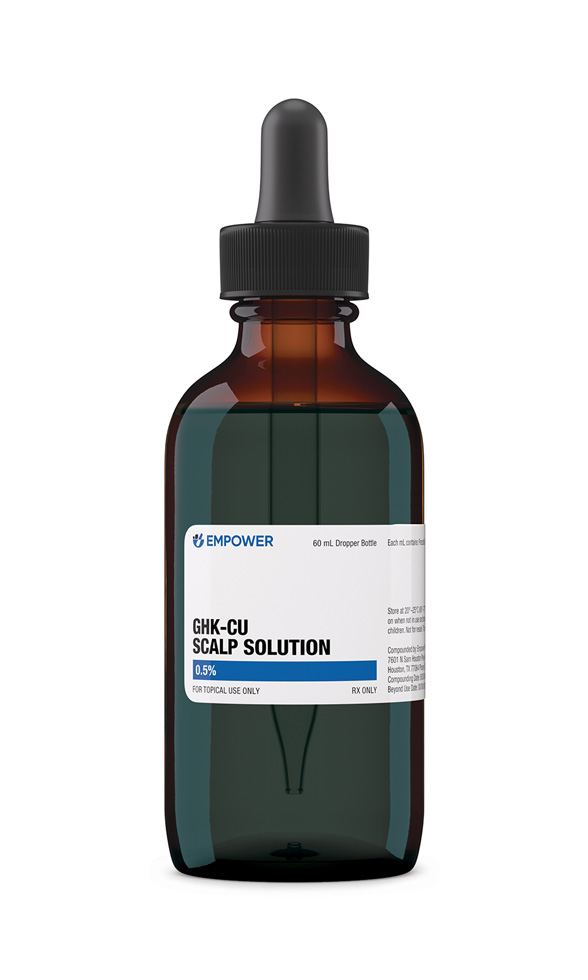
- Topical serums/creams: commonly sold in small dropper bottles; often positioned as skincare actives.
- Scalp solutions: liquids designed for scalp application; sometimes offered as compounded-style products.
- Compounded or custom preparations: may appear where local pharmacy regulations apply (this can vary by country and even by state).
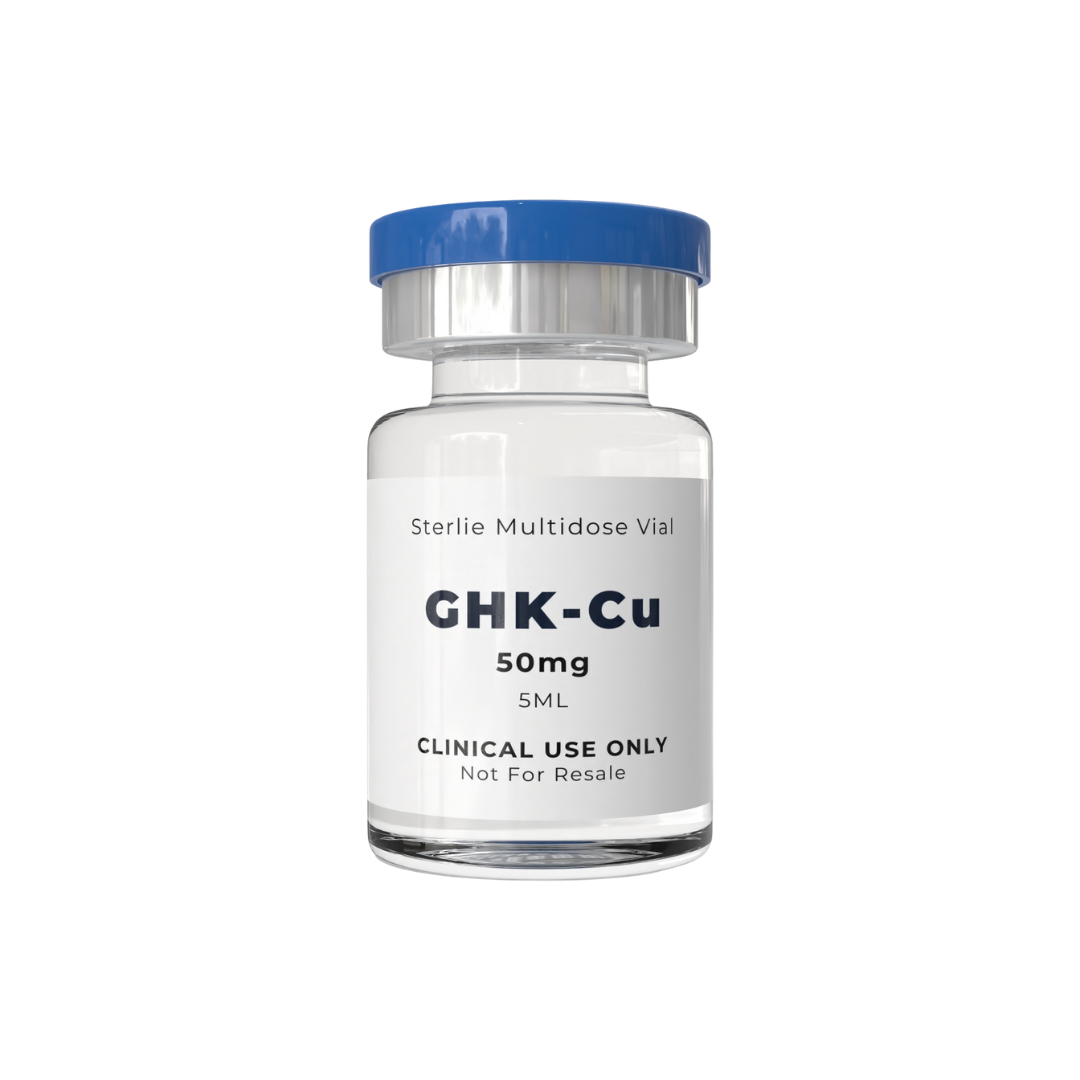
- Injection/injectable claims: generally higher risk and usually far more regulated; treat “injection” listings as a major red-flag unless the supplier and use context are clearly legitimate.
Quality signals to prioritize when you’re asking Is GHK-Cu peptide legal?:
- Clear labeling: concentration (e.g., how many mg/mL or similar), intended use (topical vs other), and directions.
- Batch documentation: a COA (certificate of analysis) or other lab documentation when available.
- Stable formulation details: storage instructions (refrigeration vs room temp), expiration date, and how the product is prepared.
- Reputable fulfillment: straightforward return policy, customer support that answers questions, and transparent sourcing.
- Ingredient transparency: a full ingredient list for topical products (not just “peptide blend”).
If the product page doesn’t explain what you’re actually buying—or it’s vague like “it’s pure” with no concentration—assume higher uncertainty. For skincare, uncertainty is often where irritation starts.
What About GHK-Cu Legality Specifically?
“Is GHK-Cu peptide legal?” depends on three things: your country’s rules, how the product is classified (cosmetic, research chemical, compounded medication, or otherwise), and whether the seller’s import/export practices align with local regulations. In some regions, peptides may be sold as research-use materials; in others, topical products may be regulated as cosmetics only if they meet labeling and safety requirements.
The most practical consumer approach: treat legality as a “verify before checkout” step. Check whether the product is sold through regulated channels, whether it includes compliant labeling, and whether there are restrictions around import, medical use, or injections. If a listing encourages you to self-inject without clear medical supervision, that’s not just a legality concern—it’s a safety one.
Comparison of Common Options
Below is a consumer-style comparison of common ways GHK-Cu is sold. Actual dosing and pricing vary by brand, concentration, and region.
| Format | Typical Dose/Use | Pros | Cons | Cost | Best For |
|---|---|---|---|---|---|
| Topical serum (retail) | Once daily to a few times weekly; small amount | Easy routine integration; clearer labeling when sold legitimately | May irritate sensitive barriers; results take time | Mid-range monthly | Texture/hydration look goals and patch-test starters |
| Scalp solution | Applied to scalp area; consistent daily schedule | Targeted to scalp; convenient dropper/spray in some products | Can trigger itch if formulation or concentration doesn’t suit you | Mid-range monthly | Scalp appearance concerns and routine-focused users |
| Compounded topical | Follow pharmacy directions; often custom concentration | Custom dosing; potentially more controlled preparation | Legality and quality depend heavily on the dispensing source | Varies widely | People who already use pharmacy-compounded skincare |
| Research-use peptides (marketplace) | Not standardized; “as directed” without skincare instructions | Low upfront price sometimes | Higher uncertainty: concentration, purity, instructions, and safety | Often cheapest per bottle | Usually not recommended for casual skincare testing |
| Injectable listings (if available) | Medical supervision required; self-use is a major risk | Only appropriate in regulated medical contexts | Higher safety and regulatory risk; requires professional guidance | Higher than topicals | Only if prescribed and handled medically |
Buying Framework and Red Flags
Here’s how I’d decide whether to purchase GHK-Cu while thinking about is GHK-Cu peptide legal and whether it’s worth your time.
Checklist (use before you buy):
- Label clarity: Is the concentration listed clearly (not just “active peptide”)?
- Intended use: Is it clearly topical, cosmetic, or otherwise? Are injections avoided or medically controlled?
- Legality signal: Does the product appear sold through regulated retail/dispensing channels for your region?
- Documentation: Do they provide COAs or batch information, or are they vague?
- Formulation transparency: Is there a full ingredient list for topicals?
- Storage & expiry: Are storage instructions and expiration dates included?
- No miracle language: If they promise guaranteed results, treat it as a red flag.
- Return/customer support: Can you contact support and get helpful answers?
If you see “guaranteed results,” no ingredient list, unclear concentration, or encouragement to self-inject, don’t rationalize it—walk away. When it comes to peptides, the risk often isn’t just legality; it’s what you’re actually putting on (or into) your body.
Common Mistakes and How to Avoid Them
- Starting with too much too fast: If you jump to high frequency or a high concentration right away, you increase the chance of irritation and you won’t know what caused it.
- Changing your whole routine: Don’t introduce a new cleanser, new exfoliant, and GHK-Cu simultaneously. Pick one variable so you can interpret your results.
- Skipping patch testing: Especially if your skin is reactive. Even “safe-sounding” actives can sting.
- Ignoring formulation ingredients: A peptide may be fine, but the carrier (alcohols, strong fragrance, certain solvents) might not be.
- Buying based on hype price points: “Cheapest” can sometimes mean the least clarity. With peptides, clarity is part of safety.
- Confusing topical with injectable risk: These are not the same category. If you see injectable instructions without medical oversight, treat it as a serious issue.
FAQ
Is it proven that GHK-Cu peptide works for skincare goals?
It’s not accurate to say it’s fully “proven” for every skincare claim you’ll see. Evidence is mixed and often limited, with more supportive research around biological plausibility than definitive, outcome-based consumer results for specific goals.
How long does it take to see any results from GHK-Cu peptide topical use?
Many users look for changes over several weeks because skin turnover and scalp-related cycles don’t happen overnight. In a conservative approach, expect at least 2–4 weeks before deciding whether the ingredient is working for your routine.
What side effects are common with GHK-Cu peptide?
The most common issues are irritation-related: redness, burning/stinging, itchiness, or dryness—often linked to formulation ingredients, concentration, or applying too frequently. If you get persistent discomfort, stop and reassess your use.
Can you combine GHK-Cu peptide with retinoids or other actives?
Some people combine actives, but it increases the chance of irritation. A safer approach is to start with one product at a time, then stagger applications. If your routine already includes strong actives, consider introducing GHK-Cu slowly.
Is GHK-Cu peptide oral vs injection vs topical—what’s the difference and is it safer?
Oral and injection routes are not comparable to topical skincare in terms of risk and regulation. Topical use is generally the simplest category to evaluate for comfort and irritation. Oral or injectable use typically carries higher safety and legal complexity and should only occur under appropriate medical/regulatory oversight.
A Practical 2-Week Experiment Framework
If you’re new to GHK-Cu and want a consumer-grade test (not an all-or-nothing commitment), use this simple two-week framework. The goal is to see tolerance and early signals—without chasing unrealistic timelines.
- Day 1–2 (baseline + patch test): Apply to a small area (behind ear/jawline) if you’re testing a facial product, or a small patch of scalp if it’s a scalp solution. Watch for redness or itch over 24 hours.
- Day 3–7 (low frequency): Use once daily or every other night, depending on your skin sensitivity. Keep everything else the same.
- Day 8–14 (consistent use): Continue the same frequency you started with. Don’t increase dose during the test window.
- Track signals: Note any burning, itch, flaking, or new breakouts. Also note “feel” changes (comfort, dryness) rather than expecting dramatic transformation.
- Decide at the end: If you had irritation, stop and remove it from your routine. If tolerance is good but results are subtle, you can decide whether to continue cautiously for another 2–4 weeks.
Budget reality check: a typical “trial” month might cost anywhere from mid-range to higher depending on concentration and shipping, but don’t base your decision on price alone. Base it on clarity, legality signals, and how your skin responds.
About the Author
Jordan Kim is a consumer product reviewer who has spent the last 5+ years testing topical skincare actives—including peptide-adjacent formulas—and writing ingredient-focused reviews aimed at readers who want realistic expectations. Jordan’s review process emphasizes patch testing, routine stability (changing one variable at a time), and documentation-based buying habits (label clarity, concentration transparency, and return support). This author does not prescribe treatment and cannot verify product legality in every jurisdiction—always evaluate compliance for your location and discontinue use if irritation occurs.
Discussion