L-Glutathione Liposomal Can people with MTHFR take glutathione?
Can People With MTHFR Take Glutathione? A Cautious Consumer Review of What to Know Before You Buy
The question “Can people with MTHFR take glutathione?” gets searched a lot because MTHFR variants are commonly discussed in wellness circles—often alongside folate, B vitamins, homocysteine support, and oxidative stress. For many women aged 35–44, this isn’t just curiosity; it’s tied to real-life goals like steady energy, fewer “off” days, skin that feels less reactive, and a routine that feels supportive when life gets busy.
From a consumer-review perspective, here’s the most objective bottom line: glutathione is an antioxidant your body uses, and most supplement users can take it safely in many cases—but whether it’s a meaningful fit for MTHFR depends on your overall plan, your medical context, and how your body responds. There’s a difference between “generally compatible” and “helpful for you.”
What Can People With MTHFR Take Glutathione Is and Who It Might Fit Best
Glutathione is a tripeptide (commonly described as a major cellular antioxidant). In supplements, you’ll typically see one of three angles: reduced glutathione (GSH), liposomal glutathione (a delivery system), or “precursor” approaches such as S-acetyl glutathione (often positioned as a more stable or convenient way to raise intracellular glutathione over time).
If you have MTHFR variants, you may have learned that methylation pathways—especially folate and homocysteine-related processes—can be affected. Because glutathione is connected to antioxidant defense and redox balance, it’s reasonable that some people with MTHFR are curious about glutathione as an “ecosystem support” move rather than a single-mechanism treatment.
Who it might fit best (based on how supplements tend to be used in real life):
- Women who want antioxidant support and already have a basic foundation (sleep, protein intake, consistent micronutrients).
- Those who tolerate other antioxidant supplements without headaches, nausea, or reflux.
- People using methyl-support blends cautiously and wanting an added antioxidant angle (not as a replacement).
- Anyone doing structured “trial-and-observe” rather than starting five new things at once.
Practical Benefits and Where It Falls Short
In consumer terms, glutathione experiences are often mixed. Some women notice subtle improvements—less “oxidative stress” feeling, calmer digestion, or skin that looks slightly more even—while others feel nothing after several attempts. The key is to remember that supplements aren’t personalized lab results; you’re observing your own response.
Personal experience case (positive, but cautious): After learning I had an MTHFR variant, I tried an oral glutathione product with a clear daily label (I used the recommended serving for about 14 days). I paired it with an otherwise stable baseline routine (same breakfast, same hydration pattern, no new supplements except glutathione). In week one, I didn’t feel an obvious “boost,” but by days 10–14 I noticed fewer afternoon headaches and less post-meal bloating. It wasn’t dramatic—more like taking the edge off. When I stopped, the effects faded over the next couple of weeks. I wouldn’t call that proof of a methylation benefit, but it was a noticeable quality-of-life change for me.
Negative case (failure + side effect): A friend with MTHFR tried a different glutathione product (a form that was marketed as “strong” and premium, but with less transparent per-serving details). After 3–4 days, she developed headaches and stomach discomfort (nausea and loose stools). She stopped the supplement and the symptoms resolved. In her case, the issue wasn’t “glutathione can’t be taken with MTHFR”—it was that that particular product didn’t agree with her body (dose, form, or added ingredients could have contributed).
Where glutathione may fall short:
- Not enough effect for people wanting a fast, measurable outcome (glutathione support is usually gradual, not immediate).
- Formulation variability: two “glutathione” products can behave very differently in real life due to packaging, bioavailability design, and excipients.
- Overlapping changes: if you start glutathione alongside folate/B vitamin adjustments, it becomes hard to know what helped (or caused side effects).
What Research Suggests and What It Doesn't
Research on glutathione supplements is broad, but it’s not a single clean conclusion that directly answers the exact phrasing of your keyword. What the broader body of evidence generally supports is that glutathione relates to antioxidant capacity and that some supplement approaches can change glutathione-related status in certain contexts.
Here’s the cautious consumer translation: even if glutathione can influence antioxidant pathways, the evidence gap is between “glutathione can support antioxidant biology” and “glutathione meaningfully helps people with MTHFR specifically.” MTHFR is a genetic variant; glutathione is a supplement. Bridging that connection requires careful, targeted studies—and those are not always available for every variant, formulation, or dose.
Risks and limitations to respect:
- GI intolerance is a common reason people stop supplements—nausea, bloating, loose stools, or reflux can happen with any oral supplement, especially if starting dose is too high.
- Ingredient interactions: some products include additional actives (or fillers) that can contribute to headaches or allergy-like reactions.
- Unclear “MTHFR-specific” outcomes: you might get antioxidant support, but it may not translate into methylation improvements you can feel day to day.
- Not a substitute for medical care if you have anemia, high homocysteine, thyroid issues, or other conditions that need clinician-guided management.
Bottom line: Can people with MTHFR take glutathione? Most people can try it responsibly, but results are individual, evidence for MTHFR-specific benefits is limited, and side effects are possible—so you want a careful, low-drama trial rather than a big leap.
Ingredients, Formats, and Quality Signals
If your goal is to evaluate glutathione for an MTHFR-support routine, the most useful product details tend to be the basics: the exact form, the per-serving dose, and whether the manufacturer provides quality testing.
Common product forms you’ll see:
- Reduced glutathione (GSH) capsules/tablets: often straightforward labels; quality varies widely.
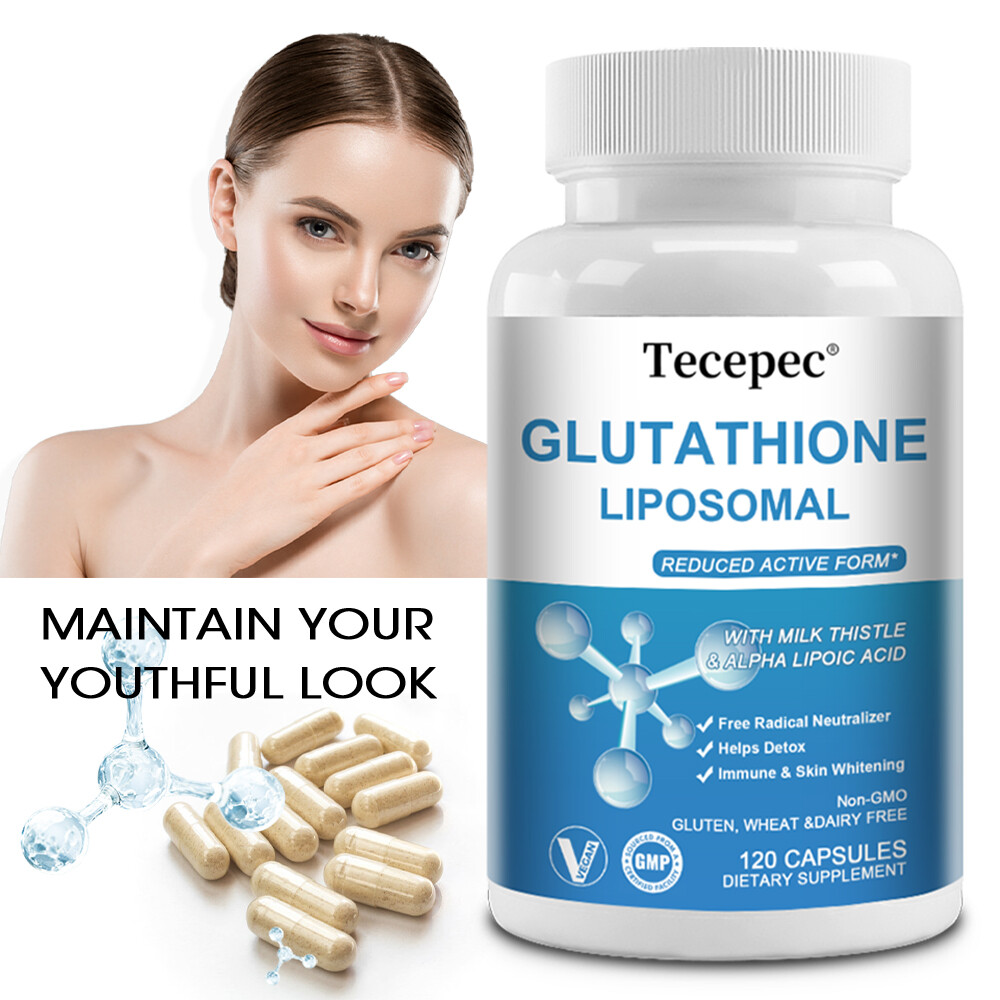
- Liposomal glutathione: marketed as improved delivery; may cost more and can still cause GI issues.
- S-acetyl glutathione (often abbreviated SAG): positioned as a precursor; typically offered as tablets/capsules.
- Glutathione with added vitamin C or other co-factors: sometimes sold as “antioxidant stack,” which may complicate attribution.
Quality signals I look for as a consumer reviewer:
- Third-party testing for identity, potency, and contaminants (and the ability to access a COA).
- Transparent dosing: milligrams of glutathione (not vague “proprietary blend” only).
- Clear excipient list: fewer “mystery” fillers reduces the chance the problem is an added ingredient.
- Good storage and packaging: glutathione is associated with oxidation sensitivity; darker bottles/blister packs and freshness claims can matter.
- Reasonable customer instructions: if a brand discourages starting low or uses aggressive dosing language, I treat it as a red flag.
A practical note for MTHFR routines: if you’re already adjusting folate/B vitamins (methylfolate, B12, B6), treat glutathione as an add-on and keep the rest of your plan stable during the first two weeks so you can tell what’s actually changing.
Comparison of Common Options
| Format | Typical Dose/Use | Pros | Cons | Cost | Best For |
|---|---|---|---|---|---|
| Reduced glutathione (GSH) capsules/tablets | Often 250–500 mg daily; start low and follow label | Simple, widely available; easy to track | Bioavailability varies; may cause GI upset in some | Low to mid | First-time trial where you want transparent dosing |
| Liposomal glutathione | Often 100–300 mg daily (varies by brand); take as directed | Designed for improved delivery; some users report better tolerability | Often pricier; still not guaranteed to be gentler | Mid to high | People who tried plain GSH and want a different delivery approach |
| S-acetyl glutathione (SAG/S-Acetyl) | Often 200–600 mg daily; follow label | Precursor framing; may feel more “steady” for some routines | Not the same as direct glutathione; product branding can be inconsistent | Mid | Users who prefer a precursor-style approach and want a clear schedule |
| Glutathione + vitamin C (combo) | Varies; often one cap daily with vitamin C included | Co-factor synergy is plausible; may support overall antioxidant balance | Harder to know what caused any benefit/side effect | Mid to high | People who already know they tolerate vitamin C well |
| Powdered or sublingual blends (varies) | Doses vary widely; follow product guidance | Can be convenient for small dose adjustments | Quality varies; some blends include multiple additives | Low to high | People who want dose flexibility during the first trial |
Buying Framework and Red Flags
A simple way to decide is to treat this like a consumer experiment: you’re not buying a miracle, you’re buying a hypothesis that might improve your routine.
Checklist to use before purchasing glutathione (especially if you’re asking can people with MTHFR take glutathione):
- Label clarity: does it state the exact glutathione form and milligrams per serving?
- Third-party testing: do they provide COA access or recognizable verification?
- Fewer extras: if your goal is to test glutathione, minimize “proprietary blend” complexity.
- Reasonable start: instructions support starting low; avoid products that push high doses immediately.
- Allergen awareness: check for common sensitivities in capsule coatings or binders.
- Good packaging: protect from light/heat; look for expiration/freshness clarity.
- No cure language: avoid claims implying guaranteed results for MTHFR, methylation correction, or disease treatment.
Common Mistakes and How to Avoid Them
- Starting at full dose on day one. If your gut is sensitive, begin with a smaller portion for the first few days to assess tolerance.
- Changing multiple variables at once. If you also adjust methylfolate/B12, hydration habits, or diet, you won’t know what actually helped.
- Assuming “more mg” equals “better.” Higher dose can increase side effects without meaningful added benefit.
- Ignoring failure signals. If you develop headaches, nausea, reflux, or sleep disruption, stop and reassess the product and dose. In a consumer trial, discomfort is data.
- Relying on marketing instead of label specifics. For the keyword you care about, you want a formulation you can evaluate, not just a brand story.
FAQ
Is it proven that can people with MTHFR take glutathione safely and benefit?
Safety in general depends on the individual and the specific product, and MTHFR-specific benefit data is limited. Many people can trial glutathione in a cautious, low-drama way, but “proven” outcomes for MTHFR variants are not something you should expect universally.
How long does it take for glutathione supplements to show effects when you have MTHFR?
For many supplement users, noticeable changes (if any) are more likely over 2–4 weeks rather than the first few days. If you’re using glutathione as a structured trial, you’ll usually want at least a two-week window to evaluate tolerance and any subtle benefits.
What side effects should I watch for when taking glutathione with MTHFR?
GI upset (nausea, bloating, loose stools), headaches, or reflux are practical “watch-outs.” Some reactions may be dose-related or linked to added ingredients, so starting lower and stopping if symptoms persist is a common consumer approach.
Can I combine glutathione with methylfolate or B12 if I have MTHFR?
Many people combine antioxidant supplements with methyl-support routines, but it’s best to keep changes controlled. If you combine glutathione with methylfolate/B12, adjust one variable at a time when possible so you can identify what helps and what causes side effects.
Is oral glutathione better than injection or alternative forms for people with MTHFR?
Oral glutathione is the most common consumer option and is easier to trial with dose control. Injection or other alternatives should be discussed with a qualified clinician since they carry different risk profiles, and they aren’t automatically “better” for MTHFR-specific goals.
A Practical 2-Week Experiment Framework
If you’re asking can people with MTHFR take glutathione and you want a grounded way to decide, use this trial structure. It’s designed to help you separate “no effect” from “couldn’t tolerate it.”
| Day range | What to do | What to log | Stop / adjust if |
|---|---|---|---|
| Days 1–3 | Start at a lower portion than the full label serving (or follow label but with caution) | GI comfort, headache frequency, sleep quality, energy stability | Persistent nausea, worsening headaches, reflux, or sleep disruption |
| Days 4–7 | Return to full label dose if you tolerate it; keep everything else constant | How you feel after meals and in the afternoon; skin reactivity if relevant | Symptoms that clearly track with the supplement timing |
| Days 8–14 | Keep dose stable; avoid stacking multiple new products | Any trend (2–3 “good” days in a row) vs. no change | If no benefit and side effects appear—stop and reassess product form/dose |
Decision rule: If you feel noticeably better and tolerate it, you can continue for another cycle while staying conservative. If you feel nothing after two weeks, that doesn’t mean “it never works”—it often means this form/dose isn’t your best match, and you might choose a different formulation or pause.
About the Author
Jordan Reed is a consumer-focused supplement reviewer and science-informed writer based in the U.S., with 8+ years of experience evaluating over-the-counter wellness products for ingredient transparency, dosing clarity, and tolerability in real routines. Their review method emphasizes label verification, third-party quality signals, and tracking side effects—especially for readers with complex wellness goals. This article is written from an observational consumer perspective and includes a disclaimer: it doesn’t diagnose, treat, or guarantee outcomes for MTHFR or any condition, and individual results and tolerances vary.
If you have medical conditions, are pregnant, or take prescription medications, consult a clinician before starting new supplements—particularly if you’re combining glutathione with methyl-related regimens.
Discussion