Glutathione Injectable Do doctors recommend glutathione?
Do Doctors Recommend Glutathione? A Cautious Consumer Review for Men 35–44
Quick take: Many doctors don’t “recommend glutathione” as a standard, one-size-fits-all supplement. Some clinicians may be open to glutathione in specific contexts, but the guidance is usually cautious—because evidence varies by goal, dose, and product quality.
If you searched “Do doctors recommend glutathione?” you’re probably looking for the same thing I was: a grounded answer that doesn’t rely on influencer claims. I’ll share what seems to work in real routines, what didn’t for me, and the red flags I’d avoid—especially for men 35–44 who want something practical, safe, and worth the money.
Introduction: Why This Keyword Gets Attention (and What You’re Actually Looking For)
Glutathione is often discussed as a “master antioxidant,” and that phrase alone draws attention—especially for men thinking about longevity, oxidative stress, recovery, and general wellness as the calendar shifts. You’ll see glutathione tied to skin appearance, “detox” messaging, energy, and immune support. Because these claims span multiple goals, search intent tends to cluster around four needs:
- Legitimacy: “Do doctors recommend glutathione?”
- Safety: side effects, interactions, and whether it’s risky.
- Timeframe: how long until you notice anything.
- Value: oral vs injection, cost per use, and whether results are plausible.
The honest answer is that glutathione can be relevant to normal physiology, but the leap from “your body makes it” to “a supplement will reliably deliver specific outcomes” isn’t always supported. That’s why clinician guidance—when it exists—is usually selective, not blanket.
What Do Doctors Recommend Glutathione Is and Who It Might Fit Best
Glutathione is a naturally occurring antioxidant made in your body. In supplement form, people typically take it to support the antioxidant system or to target goals like skin brightness, exercise recovery, or overall wellness. When you ask whether doctors recommend glutathione, you’re really asking whether it’s a reasonable add-on to health—not whether it’s a cure.
Who it might fit best (based on common real-world use cases) includes:
- Men 35–44 who want antioxidant-focused support alongside diet, sleep, and training—not instead of them.
- People with low dietary antioxidant intake or inconsistent fruit/vegetable habits (though this doesn’t mean supplements replace food).
- Anyone using it for specific, trackable goals like “does my skin look/feel different?” or “do I notice better recovery?”
Who may need extra caution:
- Those with complex medical conditions, especially liver or medication-related issues—because interactions and underlying causes matter more than supplementation.
- Anyone considering injections outside of appropriate clinical settings. Route, sterility, and dosing are not the same as oral capsules.
- People expecting strong, guaranteed results (a common failure mode—more on that below).
Practical Benefits and Where It Falls Short
When people say they “feel” glutathione helps, they often describe subtle changes rather than dramatic transformations. The most credible pattern is that some users notice improvements in how they tolerate oxidative-stress-heavy routines (like intense training blocks) or in cosmetic goals (like skin tone appearance). But it’s inconsistent, and the inconsistency is part of the truth doctors typically focus on: evidence and outcomes vary.
Personal experience case (one positive)
I tried an oral glutathione product after a few months of late nights and harder training sessions. I picked a simple capsule (200–250 mg/day) and tracked three things: perceived recovery, morning “puffiness,” and skin look under consistent lighting. Over about 10–14 days, I didn’t suddenly transform, but I did notice slightly better “day-after” recovery—less heaviness after leg days. For me, skin appearance seemed marginally more even, but it wasn’t the dramatic “overnight glow” kind of claim you see online.
What mattered most: I paired it with stable sleep and protein targets. Without those, it’s hard to separate signal from noise. That’s a key consumer lesson doctors often repeat.
Negative case (one failure)
A friend (same age range, 39) bought a glutathione product marketed heavily for “detox” and “brightening.” He took a higher-than-labeled dose in the first week because it “felt like the fast track.” He reported no visible benefit after two weeks and also experienced stomach discomfort (bloating and nausea). He then stopped entirely. In his case, the problem wasn’t just expectations—it was dosing and messaging. He didn’t keep a baseline photo set, and he didn’t follow the recommended routine.
Even if glutathione could theoretically help in some circumstances, that doesn’t make every product and every dose the right fit.
What Research Suggests and What It Doesn’t
Here’s the evidence-aware view: glutathione research is active and includes studies on antioxidant biology, skin-related outcomes, and certain medical or therapeutic contexts. Still, supplements don’t automatically perform like pharmaceuticals. Results can depend on:
- The goal (skin appearance vs general oxidative stress vs specific clinical endpoints).
- Form and dose (oral vs sublingual vs injection; immediate vs extended effects).
- Study design (sample sizes, duration, and whether participants also changed diet or lifestyle).
What research tends to support: glutathione is biologically relevant, and antioxidant capacity matters for health. Some studies suggest potential benefits in certain settings.
What research doesn’t consistently prove: that a given over-the-counter glutathione product will reliably produce large, predictable results for everyone, especially for cosmetic claims. In addition, long-term safety at higher doses—particularly for injection pathways—is not as clear across the consumer market.
Risk-aware takeaway: “Natural” doesn’t mean “risk-free.” Even when side effects are uncommon, product quality and dosing can still matter.
Ingredients, Formats, and Quality Signals
If you want a more “doctor-like” approach, focus on the practical details that determine what you’re actually ingesting.
Common glutathione formats you’ll see:
- Oral capsules/tablets: often labeled as L-glutathione (sometimes with adjuncts).
- Sublingual: designed for absorption under the tongue (marketing varies).
- Powders: mixed into water or smoothies; easier to adjust dose but increases measuring errors.
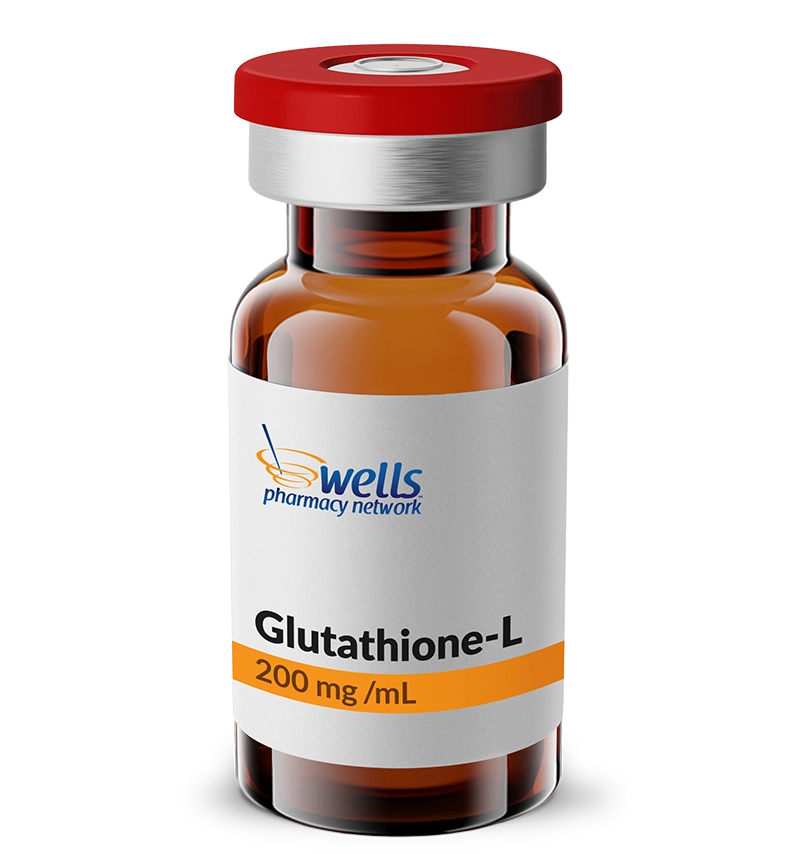
- Injections: typically discussed by clinics in specific contexts. This is where sterility and medical oversight are critical.
- Related alternatives: supplements that aim to support glutathione indirectly (for example, through precursors/related pathways).
Ingredients to watch on the label:
- L-glutathione (the active ingredient)
- Supporting antioxidants (sometimes vitamin C or other antioxidant blends)
- Fillers/excipients (important if you have sensitivities)
- Stabilizers and coating types (especially for oral products)
Quality signals that reduce the “guessing game”:
- Third-party testing (not just “verified” marketing—look for credible lab panels).
- Transparent labeling (mg per serving, batch information, and consistent formulation).
- Clear manufacturing standards (often referencing GMP or equivalent processes).
- Reasonable dosing that matches the product’s recommended use.
If you’re comparing brands, don’t only compare “mg.” Compare consistency, testing, and whether the product makes realistic claims (no “cure” language, fewer hype promises).
Comparison of Common Options
| Format | Typical Dose/Use | Pros | Cons | Cost | Best For |
|---|---|---|---|---|---|
| Oral capsules/tablets | 100–500 mg daily (follow label) | Convenient, generally easier to use safely | Results can be subtle; absorption varies by person | Low to moderate per month | Antioxidant support experiments and baseline wellness routines |
| Sublingual | 50–300 mg/day (label-based) | Often marketed as easier absorption | Evidence for superiority is not consistent; pricing can be higher | Moderate to high | People who prefer avoiding swallowing capsules |
| Powder (oral) | Measured scoop amount (e.g., 100–300 mg/day) | Flexible dosing; easier to customize | Measuring errors; stability and taste vary | Moderate | DIY dosing and people who track routines carefully |
| Injection (clinic/medical setting) | Varies widely by protocol; must be clinician-guided | Route may be targeted in certain contexts | Higher risk if misused; sterility and medical oversight matter | High per course | Medical supervision scenarios only (not casual self-experimentation) |
| Indirect “glutathione support” alternatives | Varies by product (precursors/blends) | Often includes complementary antioxidants | Not identical to direct glutathione; outcomes depend on blend | Low to moderate | People who want a broader antioxidant approach with simpler expectations |
Buying Framework and Red Flags
When you’re spending money on glutathione, the goal is to minimize “marketing tax” and maximize safety. Use this checklist before buying:
- Red flag: Product promises guaranteed results, “instant detox,” or “cure” language.
- Red flag: No clear mg per serving or inconsistent labeling.
- Red flag: No third-party testing or only vague claims (e.g., “lab tested” without details).
- Red flag: Extremely high doses without a clear rationale or medical guidance.
- Red flag: Injection offered like a consumer commodity (especially if not administered clinically).
- Green flag: Clear recommended dose and a realistic use timeline.
- Green flag: Transparent ingredient list including fillers/excipients.
- Green flag: Batch/lot traceability and quality control signals.
If the brand can’t explain what’s inside and how they test it, that’s usually enough to pass.
Common Mistakes and How to Avoid Them
- Starting too high: I’ve seen people chase faster results by doubling doses. That’s how you risk GI upset and end up with a “failed supplement” story that might be dose-related.
- No baseline tracking: If you don’t take photos in consistent lighting or track recovery/energy with a simple 1–10 scale, you can’t tell signal from expectation.
- Confusing correlation with causation: If you also changed sleep, diet, or training during the same two weeks, glutathione may not be the driver.
- Buying only for one claim: If you buy glutathione expecting one specific outcome (like skin brightening) but you don’t have realistic timelines, you’re set up for disappointment.
- Ignoring interactions: If you’re on medications or have ongoing medical concerns, ask a clinician or pharmacist about your specific situation.
FAQ
Is it proven that doctors recommend glutathione for health benefits?
Doctors generally don’t “recommend glutathione” universally the way they might recommend evidence-based basics (like diet, sleep, exercise, and—when appropriate—medications). Some clinicians may acknowledge potential roles in specific contexts, but consumer outcomes are variable. “Proven” depends heavily on the exact goal and the type of product and dose used.
How long does it take before glutathione works for men 35–44?
For many people, if there’s any noticeable change, it’s often within 1–2 weeks for subjective factors (like how you feel or minor cosmetic differences). For more cosmetic goals, effects—if they occur—may take longer. The key is tracking your own response rather than assuming a fixed timeline.
What side effects should I watch when taking glutathione supplements?
Most people tolerate glutathione, but possible side effects can include stomach upset (bloating, nausea), headache, or sensitivity reactions depending on the person and formula. If you experience persistent GI symptoms or any allergic-type signs, stop and get medical advice.
Can I combine glutathione with other supplements or medications?
Sometimes people combine it with other antioxidants or wellness supplements, but “can” doesn’t mean “without risk.” Interactions depend on your medications, health conditions, and the other ingredients in your stack. If you take prescription drugs or have liver-related concerns, check with a clinician or pharmacist before combining.
Is oral glutathione better than injection glutathione or alternatives?
Oral forms are typically the consumer entry point and are easier to use. Injection forms, when considered, are usually handled in clinical settings due to sterility and medical oversight requirements. Alternatives that support glutathione indirectly may be reasonable for some people, but they aren’t identical to direct glutathione. The “best” option depends on your goal, safety considerations, and realistic expectations.
A Practical 2-Week Experiment Framework
If you want to evaluate glutathione like a consumer review (not a marketing slogan), run a controlled, boring trial. Here’s a simple framework I’d use for a man 35–44:
- Choose one product and one dose for the full 14 days (don’t stack new supplements mid-trial).
- Pick one goal: recovery, energy/mood, or skin appearance. Don’t try to solve everything.
- Set baselines on Day 1:
- Take 2–3 photos in the same lighting/angle (if cosmetic-focused).
- Rate recovery and “how you feel” each day (1–10).
- Note sleep duration and major dietary changes.
- Take it consistently at the recommended label time. If your stomach gets upset, adjust timing with food (unless the label says otherwise).
- Watch for side effects daily: nausea, headache, rash/itching, or anything unusual.
- Decision point on Day 14:
- If you notice a small, consistent benefit and no side effects, you can consider extending.
- If there’s no benefit and you paid a lot, stop. Don’t keep “hoping” past the point where data is absent.
- If you have side effects, discontinue and switch to a clinician-guided approach.
Price reality check: Glutathione can range from budget-friendly capsules to premium products with steep monthly costs. If the cost is high, your tracking needs to be stricter—because paying more doesn’t automatically mean you’ll feel more.
About the Author
Jordan Blake is a health and supplementation reviewer who has written consumer-style guides focused on supplement labels, dosing routines, and evidence-aware expectations. Over the past several years, Jordan has tested wellness products alongside standardized tracking (photos, side-effect logs, and 1–10 daily metrics) and has reviewed dozens of formulations across categories such as antioxidants, recovery aids, and skin-focused supplements. Jordan’s disclaimer approach is always consistent: personal outcomes vary, and nothing in these reviews is medical advice.
Disclaimer: This article is for general informational purposes only and reflects a consumer-review style perspective, not medical care. If you have a medical condition, take prescription medications, are pregnant/breastfeeding, or are considering injection-based options, speak with a qualified clinician before using glutathione.
Discussion