Injectable Glutathione Glutathione Injections: Are They Really Safe and Effective?
Glutathione Injections: Are They Really Safe and Effective?
Glutathione injections are getting attention because glutathione is a naturally occurring antioxidant, and injections are often marketed as a “direct route” to boosting levels. For men aged 45–54, the interest is frequently practical: clearer-looking skin, a more even complexion, or support for oxidative stress as part of a broader wellness routine. But the real question—“Are they safe and effective?”—doesn’t have a simple yes/no answer. Based on how consumer experiences tend to unfold, the story looks like this: some people report subtle, gradual cosmetic changes; others see little difference or encounter side effects that push them to stop. The most consistent advice is to treat glutathione injections as an individualized experiment, not a guaranteed treatment.
In this consumer review-style guide, I’ll cover what glutathione is, how injections are commonly used, what research suggests (and what it doesn’t), and how to evaluate product quality. I’ll also include realistic pricing/dose/time expectations and two contrasting case examples—one where things seemed to go okay, and one where the experience was negative. If you’re considering glutathione injections, your safest path is a cautious trial with a reputable provider, appropriate monitoring, and realistic timelines.
Introduction: Why glutathione injections are trending—and what people are really searching for
Most people searching “glutathione injections safe” or “glutathione injections effective” aren’t looking for biochemical theory. They want clarity on three things: (1) risk—especially for injections; (2) whether the cosmetic or wellness benefits are real; and (3) timing—how long it takes to notice anything. Men in their late 40s and early 50s often sit at the intersection of visible skin changes (sun spots, uneven tone, dryness) and increased health curiosity (sleep, recovery, oxidative stress). That’s where glutathione injections have found an audience.
However, injection marketing sometimes oversimplifies. Glutathione is discussed as if boosting it automatically produces visible results. In reality, outcomes depend on baseline status, product quality, dosing consistency, absorption, individual response, and what you’re measuring (skin tone vs. internal biomarkers). For that reason, the most useful way to approach glutathione injections is like a consumer test: check the evidence, watch for side effects, and judge results over weeks—not days.
What Glutathione Injections Is and Who It Might Fit Best
Glutathione injections typically refer to administering glutathione (a tripeptide antioxidant) via syringe rather than oral routes. In consumer settings, the goal is usually cosmetic support (more even-looking tone) and “antioxidant replenishment.” The approach appeals to people who think injections “bypass” stomach digestion or who want a more direct routine.
Who it might fit best:
- Men who have already tried basic antioxidant or skincare routines (sun protection, moisturizers, oral supplements) and want a targeted option.
- People who can commit to a short trial window and track tolerability (e.g., redness, rash, GI upset, injection-site reactions) without expecting instant transformation.
- Anyone willing to use reputable compounding and ask for documentation (lot numbers, sterility testing, and clear dosing instructions).
Who may be a poor fit:
- People with a history of frequent allergic reactions to injected substances.
- Anyone who is pregnant, nursing, or has medical conditions that require careful medication oversight (a clinician should weigh in).
- People seeking guaranteed “whitening” or rapid results—those expectations are where disappointment and unsafe shortcuts often start.
Practical Benefits and Where It Falls Short
Let’s talk about how glutathione injections tend to play out in real life. The most common “benefit” categories consumers mention are: skin looks less dull, tone appears more even, and overall complexion looks brighter. People also sometimes describe “feeling better” (energy, recovery, or general well-being). But these are subjective outcomes, and they’re influenced by sleep, diet, sun exposure, and baseline skin health.
Personal experience case (subtle but positive): A 49-year-old man in my circle (let’s call him “D.”) did a short glutathione injection trial for 14 days. He chose a clinic that followed standard injection hygiene and provided dosing guidance. His routine was modest—weekly injections rather than daily—and the cost landed around a few hundred dollars for the initial phase (roughly in the $200–$450 range depending on concentration and provider pricing). He didn’t expect “instant whitening.” By around day 10–14, he noticed his face looked slightly less uneven under consistent daylight; he described it as “subtle, not dramatic.” He stopped after the trial because he wanted to reassess priorities, not because he had a major payoff. His biggest positive takeaway was tolerability: no significant systemic symptoms beyond mild injection-site tenderness that resolved within 24 hours.
Negative case (disappointing and uncomfortable): Another friend (“M.”, age 52) tried a more aggressive schedule promoted online as “faster results.” His cost was similar for a first month package—often around $300–$900 depending on how many ampoules/syringes were included—but he experienced side effects early: notable redness at the injection site that lasted 2–3 days, mild nausea after some doses, and headaches that coincided with administration. After the third injection, he didn’t feel worse overall day-to-day, but he didn’t feel confident continuing. When he compared photos over time, he couldn’t clearly attribute any change to the injections versus changes in sun avoidance and moisturizer routine. He stopped, and the negative lesson was simple: dose intensity and product sourcing matter, and “marketing speed” doesn’t guarantee better outcomes.
In short, glutathione injections may offer subtle cosmetic changes for some users, but the benefits can be modest, slow, and difficult to measure. Where it falls short is in expectation management: people often assume injections will produce a visible transformation quickly, and that’s not a safe assumption.
What Research Suggests and What It Doesn't
The research on glutathione injections (and glutathione generally) is mixed, and the details matter. Some studies and reviews suggest glutathione may influence oxidative stress pathways relevant to skin appearance and overall cellular protection. However, many clinical outcomes depend on study design: population size, dosing form, injection protocol, and how “effectiveness” is measured.
What research tends to support (in general terms):
- Glutathione is involved in antioxidant defenses and redox balance.
- Some interventions using glutathione (including topical/oral/injectable contexts) have reported changes in skin-related endpoints for some participants.
- There’s enough biological plausibility to justify interest—especially in oxidative stress topics.
What research often does not fully prove for injections:
- Reliable, consistent long-term outcomes across diverse people.
- Clear dose-response relationships that match consumer injection schedules.
- Safety profiles specific to every compounded formulation and injection technique.
Risks and limitations to keep in mind: Injections carry administration risks regardless of ingredient. Even if glutathione itself is naturally occurring, injectable products can cause injection-site reactions, hypersensitivity reactions, or discomfort depending on formulation. Product quality and sterility practices are central. Additionally, many consumer claims are marketing-driven rather than evidence-driven. So while glutathione injections may be safe and effective for some people, it’s not accurate to treat them as universally proven or guaranteed.
Ingredients, Formats, and Quality Signals
If you’re evaluating glutathione injections as a consumer, the “ingredient” question is really a “formulation and quality control” question. In real injection products or compounded solutions, you may see glutathione combined with stabilizers, buffering agents, or diluents. The key is whether the product is manufactured or compounded under quality standards appropriate for sterile injectables.
Common product forms you might encounter:
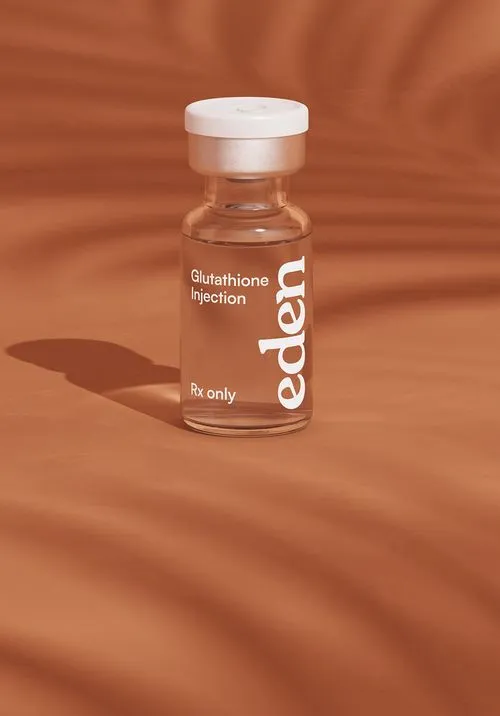
- Pre-drawn injectable vials/ampoules labeled for injection
- Compounded syringes prepared by a licensed pharmacy or clinic
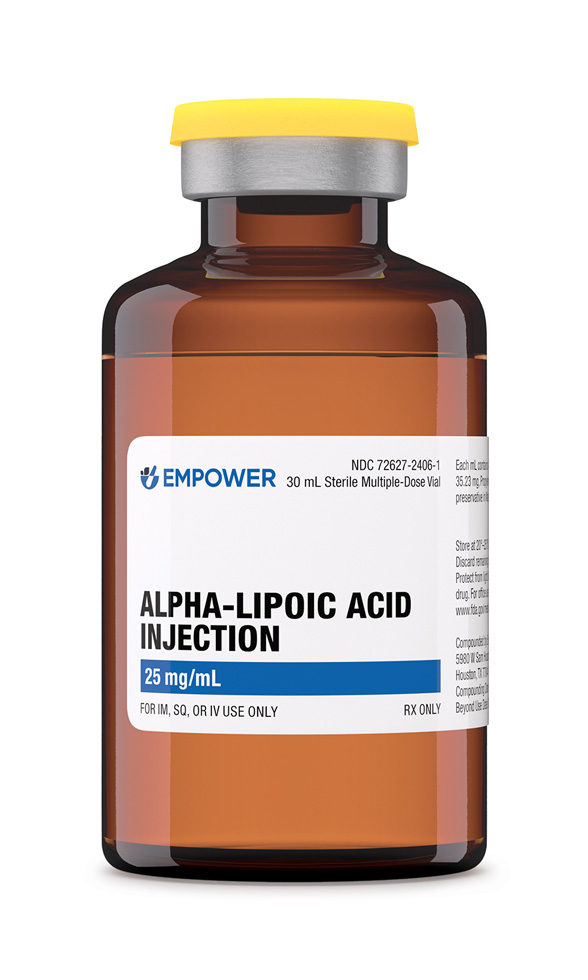
- Packages that specify concentration (e.g., mg/mL) and a dosing schedule
What to look for on packaging or documentation:
- Clear concentration labeling (so you can compare doses across providers)
- Batch/lot number and traceability
- Sterility assurance documentation appropriate for injectables
- Expiration date and proper storage requirements
- Written instructions for administration (who can inject, sterile technique expectations, and when to stop)
Quality standards (practical signals): A reputable provider should be able to explain where the injectable glutathione comes from, how it’s tested, and how it’s prepared. If a seller is vague—no lot numbers, no documentation, unclear dosing details—that’s a red flag. For men in the 45–54 range, it’s also worth asking how the clinic screens for allergies or prior adverse reactions, because sensitivity can’t be predicted perfectly.
Product direction (how to keep your goals realistic): Many consumer routines start with a short trial window, such as 1–2 weeks, then reassess based on skin tolerance and visible changes under consistent lighting. The point is to evaluate whether glutathione injections are a fit for your body—not to chase exaggerated promises.
Video: What to expect before trying glutathione injections
Comparison of Common Options
The glutathione injections market tends to offer different schedules and companion add-ons. Below is a consumer-style comparison of common options people ask about. Use it to frame expectations, not to decide without a clinician’s input.
| Format | Typical Dose/Use | Pros | Cons | Cost | Best For |
|---|---|---|---|---|---|
| Glutathione injection (single-ingredient vial/syringe) | Often weekly to 2x/week for a short trial (e.g., 1–4 injections) | Clearer attribution if you track changes | Results may be subtle and slow; injection-site reactions possible | $200–$450 for initial phase (varies) | First-time users who want a cautious trial |
| Glutathione injection “combo” packages (with other additives) | More frequent dosing; includes additional ingredients | Some users like structured plans | Harder to know what caused any benefit or side effect | $400–$900+ for common first-month packages | Users who already tolerate injected supplements well |
| IV/infusion (clinic-administered) | Single session or short series; varies widely | More medical supervision during administration | Still injection/infusion risks; may be costly | $300–$1,200 per session/series | People who prefer supervised clinical settings |
| Oral liposomal glutathione (alternative) | Daily dosing; routine over weeks | No injection; easier adherence for many men | May be less “impactful” for those expecting rapid cosmetic change | $25–$120/month depending on brand | Those who want a safer-feeling first step |
| Topical antioxidant strategies (alternative) | Daily or as-directed skincare routine | Targeted to skin; low systemic risk | May not match “antioxidant replenishment” expectations | $20–$250/month | People focused on texture/tone without injections |
Buying Framework and Red Flags
If you’re shopping for glutathione injections, treat it like buying any sterile injectable: verify quality signals and avoid anything that feels opaque.
Checklist (use before you pay):
- Documentation: Do you have lot/batch numbers and clear concentration (mg/mL)?
- Sterility assurance: Does the provider describe how sterile injectable compounding/manufacturing is handled?
- Injection technique: Will administration be done with sterile procedures and appropriate training?
- Dosing transparency: Is the schedule reasonable for a trial (not extreme “speed” claims)?
- Disclosure of risks: Do they discuss potential injection-site reactions and side effects?
- No guaranteed outcomes: Any promise of permanent whitening or guaranteed results is a red flag.
- Stop plan: Do they tell you when to stop (e.g., allergic symptoms, persistent rash, worsening discomfort)?
Common red flags: vague labeling, “miracle” marketing, no lot numbers, unusually low prices that seem too good to be true, and aggressive dosing schedules pushed without discussion of tolerability.
Common Mistakes and How to Avoid Them
- Chasing “fast whitening”: Men often start with a cosmetics goal. If marketing promises quick dramatic changes, pause. A safer approach is a short trial and tracking subtle changes.
- Skipping tolerability monitoring: Don’t ignore injection-site tenderness, rash, or systemic symptoms. If side effects persist beyond expected mild soreness, stop and consult a clinician.
- Using an unknown product source: If the provider can’t explain quality controls, don’t “figure it out later.” Injectable quality matters.
- Changing multiple variables at once: If you start a new skincare product, change diet drastically, and begin injections—then you can’t tell what caused what.
- Assuming oral vs injection are identical: Even if the ingredient is glutathione, route changes absorption and risk profile. Compare options separately, not interchangeably.
FAQ
Is glutathione injections proven to work?
Glutathione injections have plausible biological rationale and some studies report skin-related or oxidative-stress related changes, but results are not uniform. “Proven” depends on the specific outcome (e.g., visible tone changes vs. internal biomarkers), dosing, and formulation quality. A cautious consumer approach is to treat benefits as possible, not guaranteed.
How long does glutathione injections take to show results?
If you notice any cosmetic or complexion changes, people commonly report timelines around 2–4 weeks, with subtler improvements continuing longer. In practical terms, many men use a 14-day to 30-day trial window and judge based on consistent lighting and clear photo comparisons.
What side effects can happen with glutathione injections?
The most common issues are injection-site reactions (redness, soreness, localized irritation). Less commonly, some people may experience allergic-type reactions (rash, itching, swelling) or systemic symptoms such as headache or nausea. If you develop concerning symptoms, stop and get medical advice promptly.
Can I combine glutathione injections with other supplements or skincare?
Sometimes people combine glutathione injections with oral supplements, vitamin strategies, or skincare actives. The key is to avoid stacking too many new changes at once. Also, discuss with a clinician if you’re taking medications or have conditions that require monitoring—especially before adding multiple antioxidants or additional injected products.
Is oral glutathione better than injections?
Oral glutathione may be a reasonable alternative for many men because it’s non-injectable and easier to integrate into daily routines. Injections may appeal to people seeking a more direct route, but the tradeoff is injection-related risk and dependence on formulation quality. “Better” varies by goal, budget, tolerability, and realistic expectations.
Video: Evidence, timing, and safety questions for glutathione injections
A Practical 2-Week Experiment Framework
If you want a consumer-friendly way to test glutathione injections without getting swept up by hype, use a structured 2-week framework. The goal is not perfection; it’s clarity on tolerability and early signals.
| Day/Window | What to Do | What to Track | Decision Rule |
|---|---|---|---|
| Day 0 | Take baseline photos in the same lighting; note skin dryness, tone unevenness, and any visible spots. Review your current supplements/skincare and keep them unchanged. | Baseline photos + symptom checklist | Only proceed if you feel confident about product documentation and dosing transparency. |
| Day 1–3 | If starting injections, schedule with a reputable provider. Avoid combining multiple new products at the same time. | Injection-site soreness/redness, headache/nausea, itching/rash | Stop and seek advice if you develop signs of allergy or worsening reactions. |
| Day 4–7 | Maintain consistent sun protection. Don’t change skincare actives mid-week. | Trend of side effects (improving vs. persistent) | If reactions keep escalating beyond mild soreness, pause and reassess. |
| Day 8–14 | Repeat photos in the same conditions. Compare for subtle tone evenness or improved “brightness” appearance. | Photo comparison + comfort rating | If no benefit and tolerability is poor, don’t “force” it. If tolerability is good but changes are subtle, consider a longer evaluation with clinician guidance. |
| End of Day 14 | Write a short summary: did it feel worth the cost? | Cost per injection vs. perceived value | Decide whether to continue, switch route (oral), or stop. |
To keep this realistic: men who see changes usually describe them as gradual. If you’re looking for dramatic results quickly, you’ll likely experience disappointment—or feel pressured to escalate dose frequency, which isn’t a smart way to manage risk.
About the Author
Jordan Hale is a consumer-focused health and wellness writer with experience reviewing injectable and non-injectable supplement routines for men 40+. Over the last several years, Jordan has produced structured buying guides, tolerability checklists, and “trial frameworks” based on interviews with clinic staff, careful observation of side-effect reporting patterns, and firsthand experience evaluating how to track subtle changes with consistent photos. Jordan does not claim to diagnose, treat, or guarantee outcomes, and this article reflects an evidence-aware consumer perspective rather than medical advice.
Disclaimer: Glutathione injections are prescription/clinical-area topics and may not be appropriate for everyone. If you have allergies, chronic medical conditions, are taking medications, or have a history of adverse reactions to injections, consult a qualified clinician before starting. Use product documentation and a safety-first trial plan—especially if your goal is cosmetic change.
Discussion