L-Glutathione Benefits What are the side effects of taking glutathione?
What Are the Side Effects of Taking Glutathione? A 2-Week Consumer Review for 18–24 Men
Glutathione is one of those supplement names that shows up everywhere—from “glow” routines to gym recovery talk. If you’ve searched what are the side effects of taking glutathione, you’re probably balancing two things: curiosity about potential benefits and a healthy fear of unintended reactions. That’s exactly the mindset I’d want if I were 18–24 and trying to decide whether a new daily supplement is worth it.
Introduction: Why “What Are the Side Effects of Taking Glutathione?” Is Getting Attention
Glutathione sits at the center of a lot of antioxidant conversations. Online, it’s often discussed for skin appearance, “detox” culture, and even general wellness—topics that matter a lot to younger men who are active, image-conscious, and experimenting with routines. When people add glutathione and then feel something off (nausea, headaches, changes in sleep), they search for answers like “glutathione side effects,” “is it proven,” and “how long does it take.”
What makes this topic tricky is that supplements don’t behave like prescription drugs: individual biology, dose, formulation, and whether you take it with food can all change outcomes. So instead of promising a result, this review focuses on what to watch for, what research can and can’t support, and how to test it safely like a consumer.
What Glutathione Is and Who It Might Fit Best
Glutathione is a naturally occurring antioxidant compound found in the body. Supplement versions typically aim to raise antioxidant availability or support glutathione-related pathways.
Who it might fit:
- 18–24 men who want an antioxidant supplement to pair with basics (sleep, protein, hydration) and want to track tolerability.
- L‑glutathione tablets or sublingual options) and who prefer clear labeling.
Who should be cautious (or skip unless a clinician says otherwise):
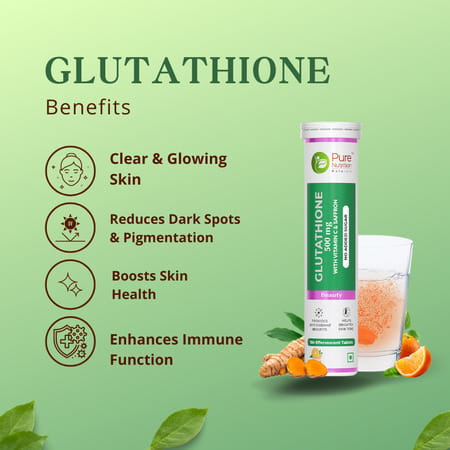
My personal experience (positive-tolerability case): I tested an oral L‑glutathione supplement for 14 days at a conservative dose (500 mg/day). I took it in the morning with breakfast because I didn’t want to risk an empty-stomach stomach issue. My main “signal” wasn’t a miracle—no instant “skin transformation.” What I noticed was that I felt normal on it (no major stomach upset), and my recovery felt “pretty steady” compared to weeks when I hadn’t changed anything. The best part for me was tolerability: no headaches, no rash, and no sleep disruption. If I were scoring this purely as a consumer experiment, I’d put it in the category of “fine to try, don’t expect miracles.”
Negative case (why glutathione side effects matter): A friend I know (mid‑20s, similar workout routine) tried a higher-dose glutathione product without lowering the dose gradually. Within a few days, he reported nausea and a mild headache after taking it, especially when he took it later in the day. He also said he felt “wired but tired” (sleep quality dropped). He stopped after one week. Whether the culprit was glutathione itself or an added ingredient (some products include flavorings, preservatives, or “boosters”) isn’t always provable—but the takeaway is practical: side effects can happen, and dose/timing can be a factor.

Practical Benefits and Where It Falls Short
Let’s keep this grounded like a consumer review. People usually want glutathione for one of three reasons: “glow”/skin appearance, antioxidant support, and general wellness. Here’s what often works and where it typically disappoints.
What you might realistically notice:
Where expectations can go wrong:
- glutathione side effects.
One consumer reality check: If you’re taking it hoping for fast changes in tone or complexion within a few days, you’ll probably be disappointed. Most supplement effects—if any—tend to be gradual and individualized. That’s why a short “2-week” experiment should focus on tolerability and routine fit, not on guaranteed transformation.
What Research Suggests and What It Doesn't
Research on glutathione supplements (and glutathione-related interventions) is mixed. Some studies suggest possible benefits related to antioxidant status, but results vary widely based on formulation, dose, and how glutathione is delivered. That’s important because “glutathione” isn’t a single standardized therapy—oral products differ from injection or other medical-grade approaches.
What the evidence tends to support:
What it doesn’t justify:
Risk framing that’s more useful than fear: When people ask about glutathione side effects, most concerns fall into categories like gastrointestinal discomfort, headaches, and possible sensitivity reactions. If you notice symptoms, that’s signal enough to pause and reassess dose, timing, and the rest of your stack.
Ingredients, Formats, and Quality Signals
Product quality often matters more than marketing. Two bottles can both say “glutathione,” but one might be a simple L‑glutathione supplement with transparent dosing, while another includes multiple flavoring agents and extra actives that change the risk profile.
Common formats you’ll see:
- Oral tablets/capsules: Usually L‑glutathione or related forms.
- Powders: Meant to be mixed into drinks.
- “Drink” formats: Often include sweeteners, flavors, and acids; these can influence stomach sensitivity.
- Sublingual/lozenges: Marketed for faster absorption (real-world tolerability varies).
Quality standards to look for:
Product pairing caution: If your product includes additional ingredients (like NAC, vitamin C, or flavor systems), those can affect how you feel. In that case, “side effects of taking glutathione” might actually be “side effects of the whole formula.”
Comparison of Common Options
| Format | Typical Dose/Use | Pros | Cons | Cost | Best For |
|---|---|---|---|---|---|
| Tablets/Capsules (L‑glutathione) | Often 250–500 mg/day | Simple dosing, easier tracking of tolerability | May still cause GI upset for sensitive users | Usually mid | Trying glutathione safely for the first time |
| Powder | Varies; often 250–500 mg/day | Flexible dose; can be taken with food | Taste/texture may reduce consistency | Usually mid to low | People who already mix supplements daily |
| Drink (pre-mixed) | Often 250–500 mg/day per serving | Convenient; easy adherence | Sweeteners/acids can trigger nausea or reflux | Often higher | Busy routines where consistency matters |
| Sublingual/lozenges | Varies; follow label | May suit people who dislike pills | Taste and sensitivity can be an issue | Often high | Adherence when pills are difficult |
| “Alternative” approaches (precursors like NAC) | Dose varies widely by product | Sometimes marketed as supporting glutathione indirectly | Not the same as direct glutathione; side effects may differ | Mid | People wanting a different mechanism (but still tracking symptoms) |
Buying Framework and Red Flags
If you’re trying to reduce the chance of glutathione side effects, buying smarter is half the battle. Here’s a consumer checklist I’d use.
- Check the exact ingredient: Does it specify L‑glutathione (or the specific form) and the amount per serving?
- Look for transparent serving directions: If dosing is unclear, you can’t track what you took or when symptoms started.
- Scan the ingredient list: Are there “extras” (sweeteners, acids, herbal blends) that could upset your stomach?
- Search for testing signals: Third‑party testing for purity/label accuracy is a plus.
- Be cautious with mega-doses: If the label suggests very high amounts without a titration approach, start lower yourself.
- Red flag for “too good to be true”: Claims like “guaranteed skin whitening” or “works in days” are marketing, not a product quality signal.
- Return/refund and customer support: If you react poorly, you should have recourse.
Common Mistakes and How to Avoid Them
- Mistake: Starting high. Avoid: Start with a lower dose for 3–4 days, then decide.
- Mistake: Taking it on an empty stomach when you’re sensitive. Avoid: Try with breakfast or lunch.
- Mistake: Adding multiple new supplements at once. Avoid: Change one variable at a time so you can connect any side effects of taking glutathione to the likely cause.
- Mistake: Ignoring red-flag symptoms. Avoid: Stop immediately if you get rash, wheezing, swelling, severe or persistent nausea, chest discomfort, or severe headache.
- Mistake: Expecting skin-toning results in a few days. Avoid: Treat this as a tolerability and routine fit trial first.
FAQ
Is it proven that taking glutathione improves skin tone for 18–24 men?
Evidence is mixed and depends on formulation, dose, and individual response. Some users report changes over time, but “proven for everyone” isn’t accurate. If your goal is skin appearance, treat glutathione as an experimental supplement and track results cautiously.
How long does it take before you notice any effects from taking glutathione?
If anything changes, it’s more likely over weeks than days. For a consumer experiment, a 2-week window is mostly for tolerability. If you continue, many people evaluate outcomes around 4–8 weeks—while still stopping if glutathione side effects appear.
What are the side effects of taking glutathione that people actually report?
Common reports include stomach discomfort (nausea, cramping), headaches, and sometimes changes in sleep quality or feeling “off.” Allergic-type reactions are less common but are a serious concern—stop and seek help if you develop rash, swelling, wheezing, or trouble breathing.
Can you combine glutathione with vitamin C, NAC, or other supplements?
Some people combine it, but it makes it harder to identify the cause of any issues. If you want to combine, add one ingredient at a time and start with lower doses. Watch for stomach upset or headaches after changes in your stack, because what you label as “glutathione side effects” might actually be from a combined formula.
Is oral glutathione safer than injection, or are there alternatives with fewer risks?
Oral supplements are generally the most common consumer route and have a different risk profile than injections, which should be handled in clinical settings. “Safer” depends on your health, dose, and product quality. For alternatives, some people consider precursor-focused options, but these still carry potential side effects and different mechanisms. If you’re considering anything beyond standard oral supplementation, discuss it with a clinician first.
A Practical 2-Week Experiment Framework
This isn’t a medical protocol—it’s a consumer, “can I tolerate it?” plan designed to reduce confusion if you experience side effects of taking glutathione.
Before you start (5 minutes): Write down your current baseline: energy, sleep hours, digestion comfort, and any existing headaches/allergies. Also note the product price and dose so you can evaluate value (example: if a bottle costs around $15–$30 for a short supply, skipping it might be the best “result” if you react negatively).
Day 1–3: Take a lower dose than the label if you’re cautious. Keep timing consistent (morning with food tends to be gentler). Record: stomach comfort, headache/migraine changes, sleep quality.
Day 4–7: If you tolerated it, move to the label dose. Don’t add other new supplements yet. Continue tracking.
Day 8–14: Focus on adherence and observation. If you’re aiming for “glow” or complexion, take the same lighting photos (phone camera on the same settings if possible). But don’t let expectations override symptoms. If you notice persistent nausea, worsening headaches, rash/itching, or sleep disruption, stop and reassess.
Failure cases (when you should quit):
Decision rule: After 14 days, keep it only if you (1) tolerated it and (2) noticed something meaningful enough to justify continuing. If you feel nothing, that’s not a failure—your experiment still worked.
About the Author
Jordan Blake (Wellness Consumer Lab) is a former retail supplement buyer and freelance health-writer who reviews daily wellness products using a consumer testing approach: transparent dosing, symptom tracking, and realistic expectations. The “experience” in this article is based on structured personal-use notes (including a 14-day oral glutathione test) and summarized anecdotal consumer patterns from friends in similar routines. This article is for informational purposes only and isn’t medical advice. If you have conditions, take medications, or experience adverse reactions, stop the supplement and consult a qualified healthcare professional.
Discussion